How U.S. Buyers Can Source Custom Corrugated Cartons
Direct answer: A useful custom corrugated carton inquiry starts with the packed product—not a generic box size. U.S. buyers should define inside dimensions, product weight, distribution hazards, packing method, print requirements, order quantity, and acceptance checks before comparing quotations.
What to Put in the First RFQ
State whether dimensions are inside or outside measurements and use a consistent order: length × width × depth. Add the product’s unit weight, number of units per carton, orientation, closure method, pallet pattern, and destination.
| RFQ item | Why it matters |
|---|---|
| Packed-product dimensions and weight | Determines clearance, board selection, and structural load. |
| Distribution route | Shows exposure to parcel handling, stacking, storage, or ocean freight. |
| Board requirement | Can be performance-based or confirmed after sample testing. |
| Printing artwork | Defines colors, coverage, registration, and proofing needs. |
| Packing workflow | Affects style, assembly time, closure, and automation compatibility. |
Compare Structure Before Unit Price
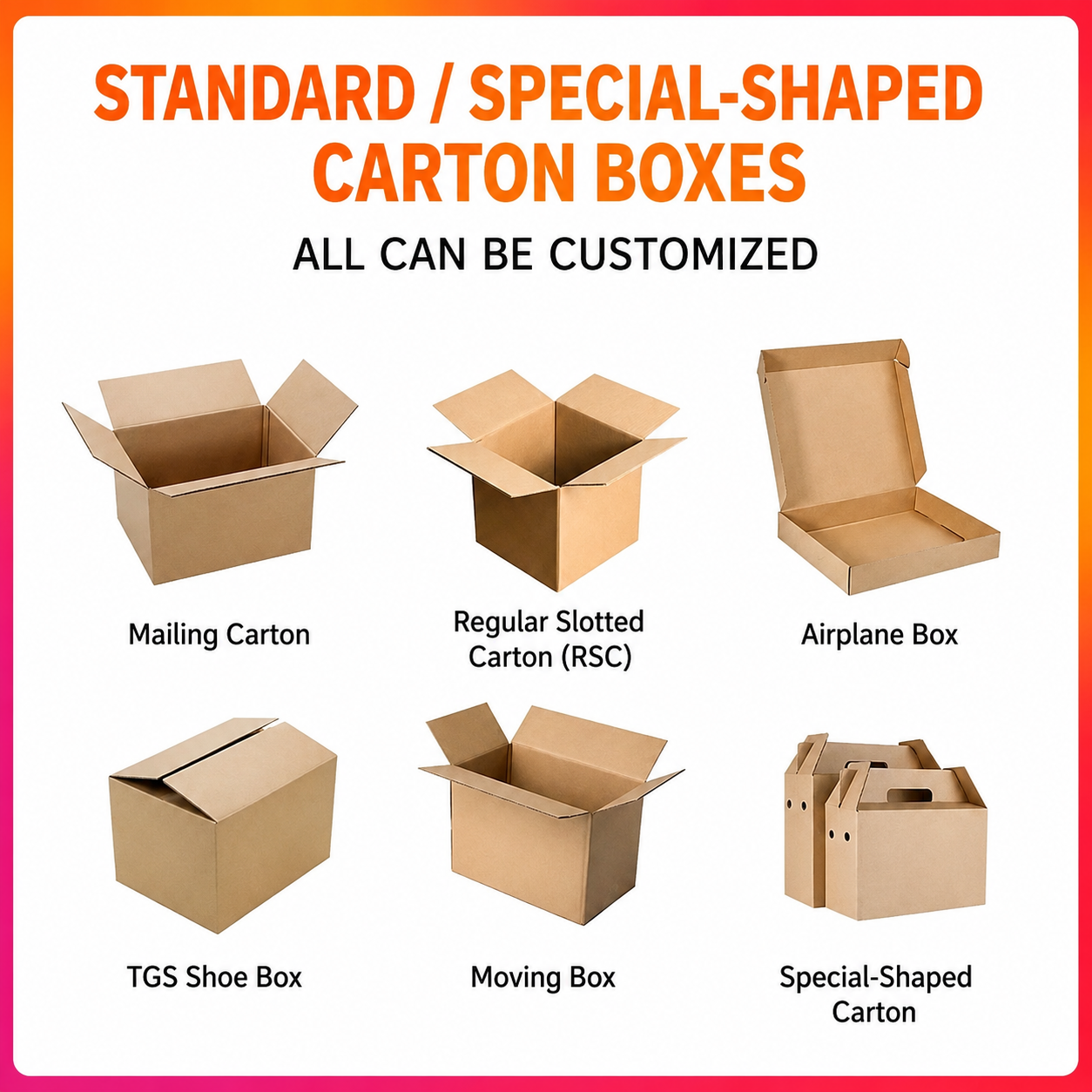
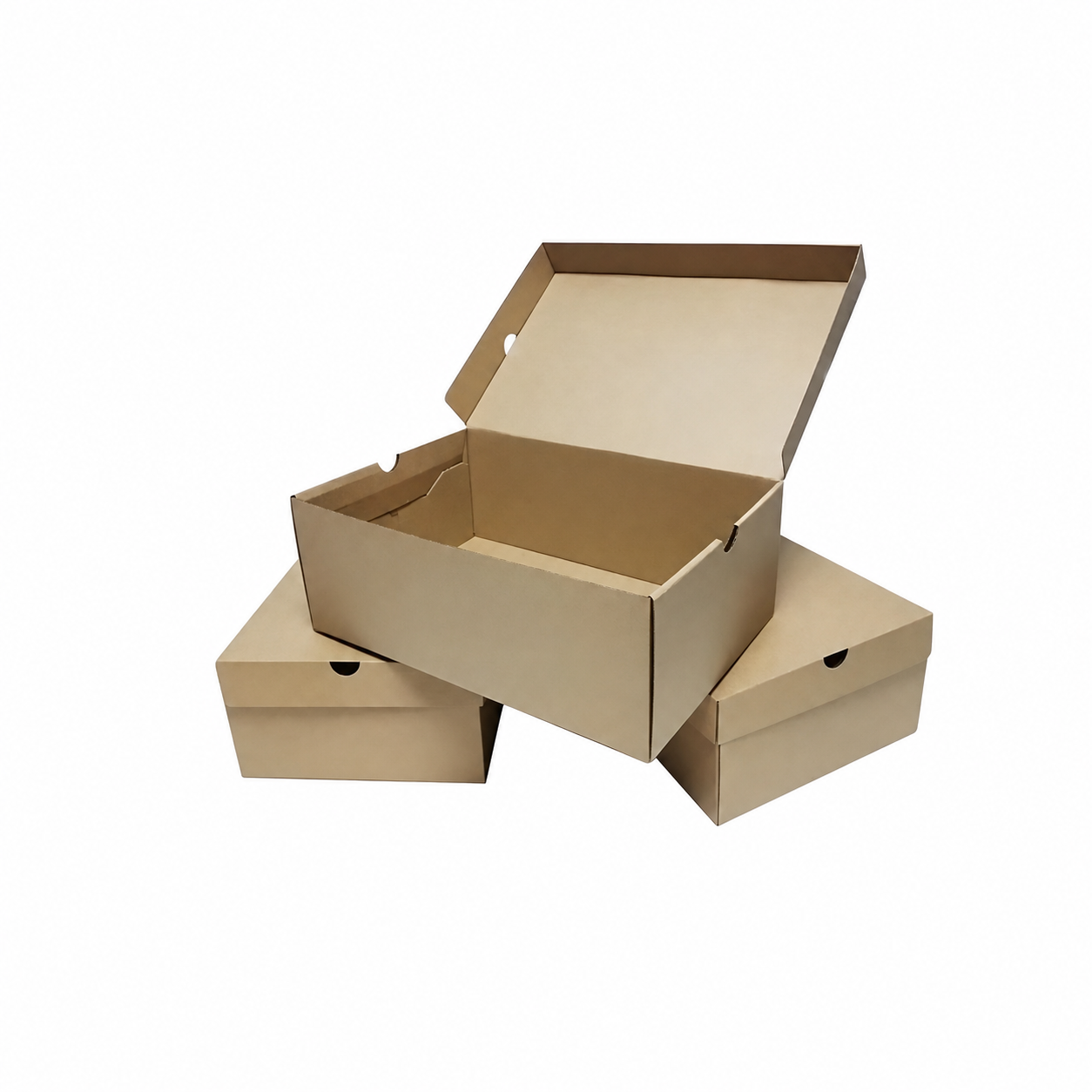
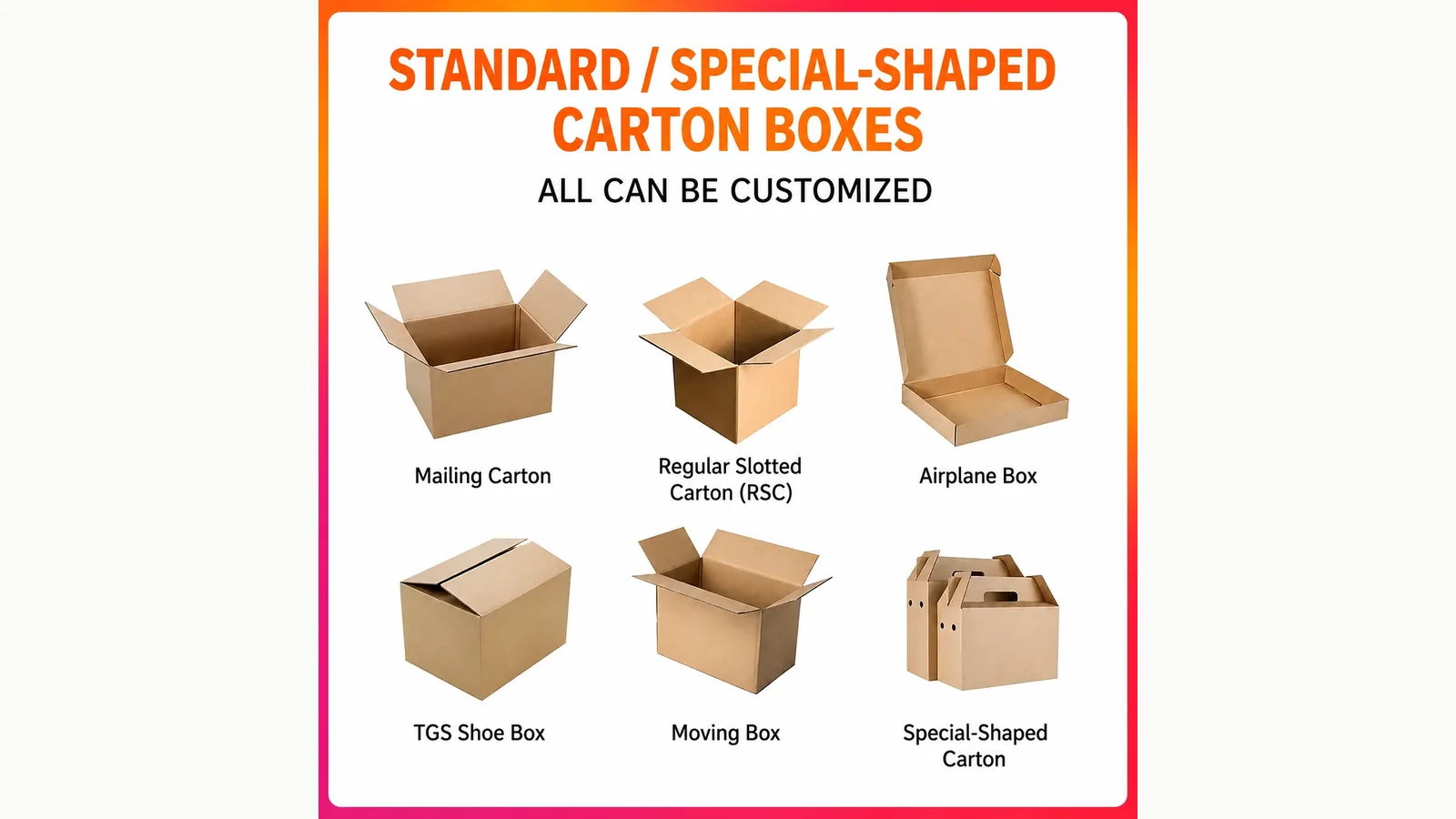
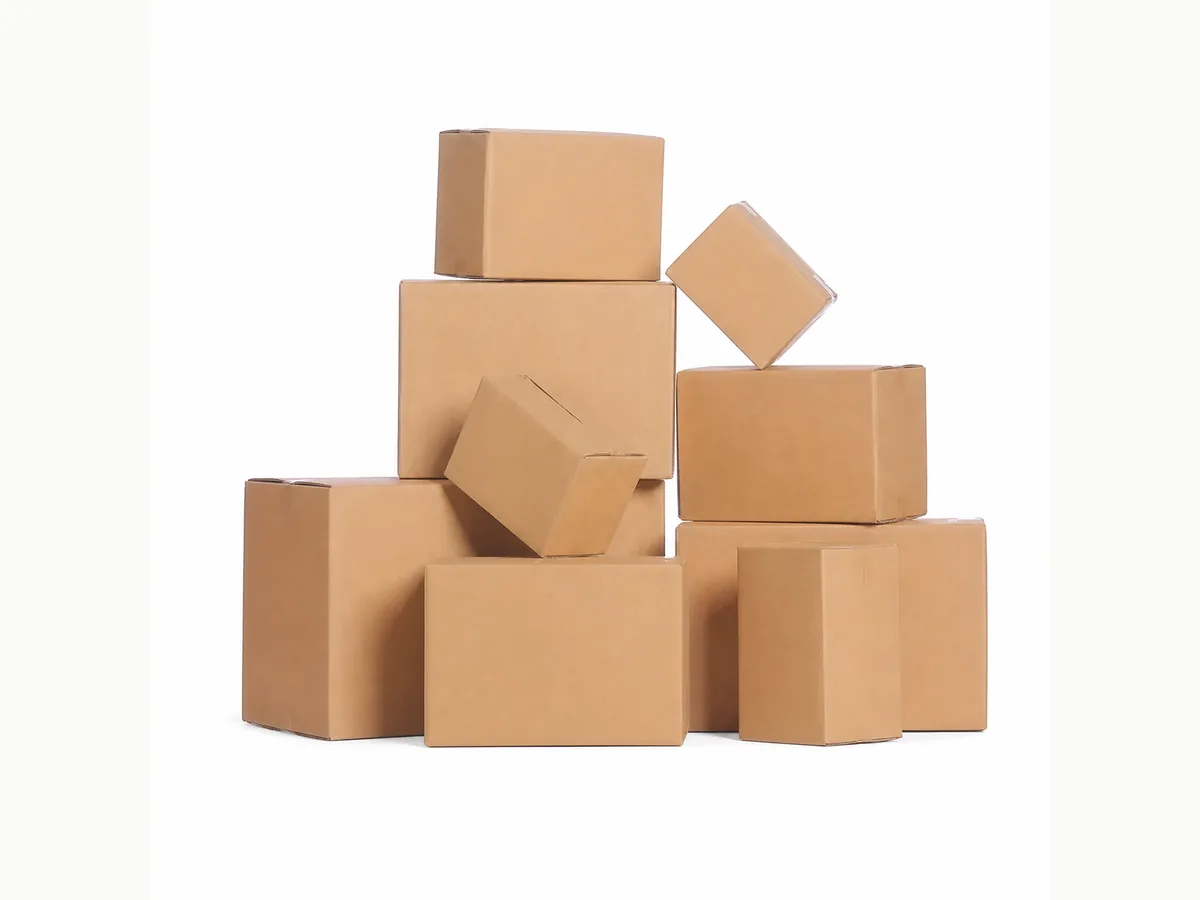
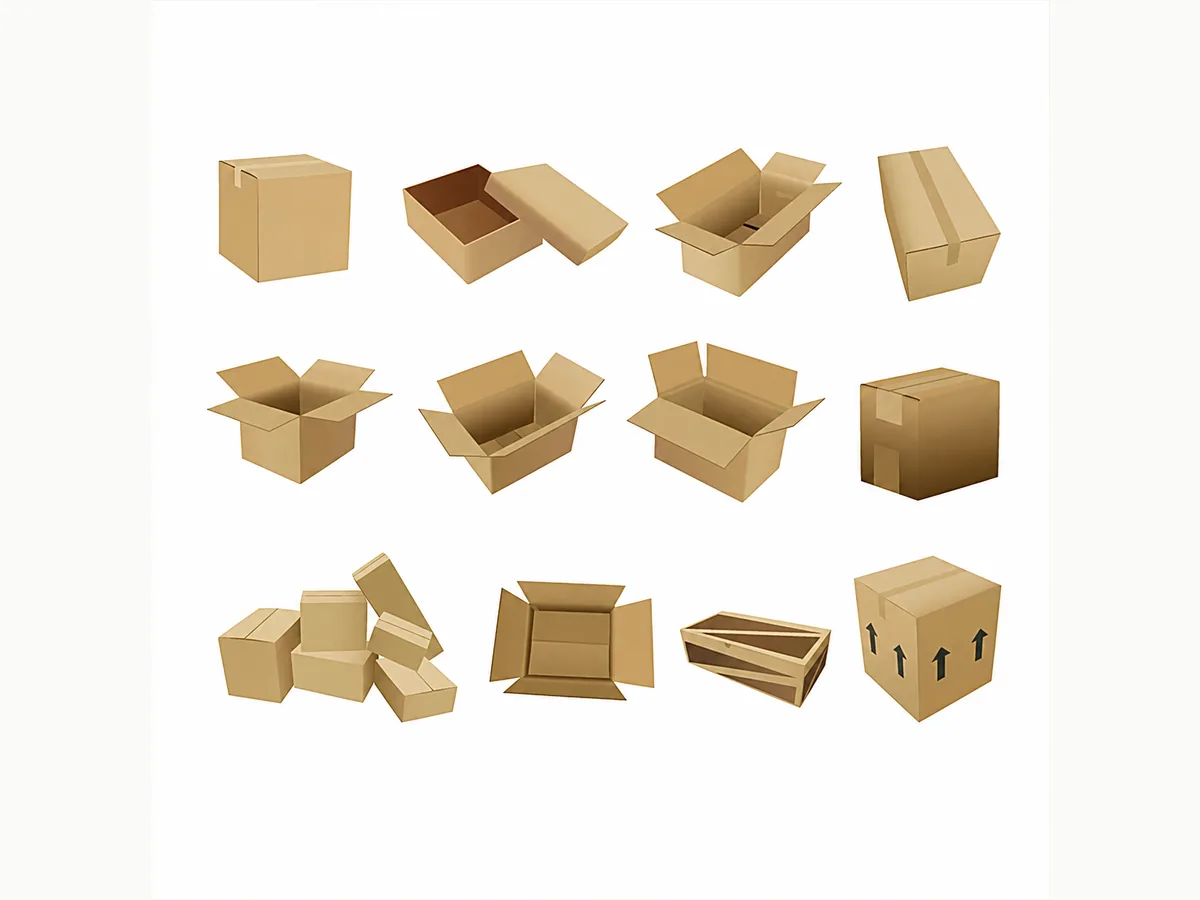
A regular slotted carton, die-cut mailer, telescoping format, or special-shaped box may solve different handling problems. Ask suppliers to explain how the proposed structure supports the product and why any insert, partition, or reinforcement is included.
Sampling and Approval
- Approve a structural drawing with named dimension conventions.
- Check physical fit and packing sequence with the actual product.
- Review artwork on a digital or production-representative proof.
- Agree on measurable inspection points before the purchase order.
- Run distribution testing when the product risk justifies it.
Common Sourcing Mistakes
Do not compare quotations that use different board assumptions, dimensions, print coverage, or packing quantities. Avoid approving a sample that has not been loaded, closed, stacked, and handled in the intended way.
Review our manufactured packaging products, honeycomb equipment, and printing equipment before preparing your inquiry.
Buyer FAQ
Should I specify ECT or a paper combination?
Use the performance measure your program requires. If you are unsure, provide the load and distribution conditions and ask the supplier to propose a construction for validation.
Are carton dimensions normally inside dimensions?
Many packaging drawings use inside dimensions, but conventions vary. Label the measurement basis in the RFQ and approved drawing.
When is a die-cut carton appropriate?
It is useful when the product needs a shaped opening, self-locking structure, presentation feature, or a format that a standard slotted carton cannot provide.
Can one carton fit several product variants?
Possibly, with adjustable inserts or shared clearances. Validate every variant because a universal pack can introduce movement or excess material.
What artwork files should buyers provide?
Provide editable vector artwork, color references, barcode requirements, print location, and an approved dieline.
How should incoming cartons be checked?
Check dimensions, board and flute identity where specified, joints, print appearance, quantity, bundle condition, and fit against the approved sample.
Prepare a Useful RFQ
Send the product type, material preference, finished dimensions, packed-product weight, application environment, customization requirements, estimated quantity, packing method, destination country, and target delivery window. Final specifications, commercial terms, and timing should be confirmed against the approved drawing or sample.