Honeycomb Packaging vs. Wooden Cases for Industrial Shipments
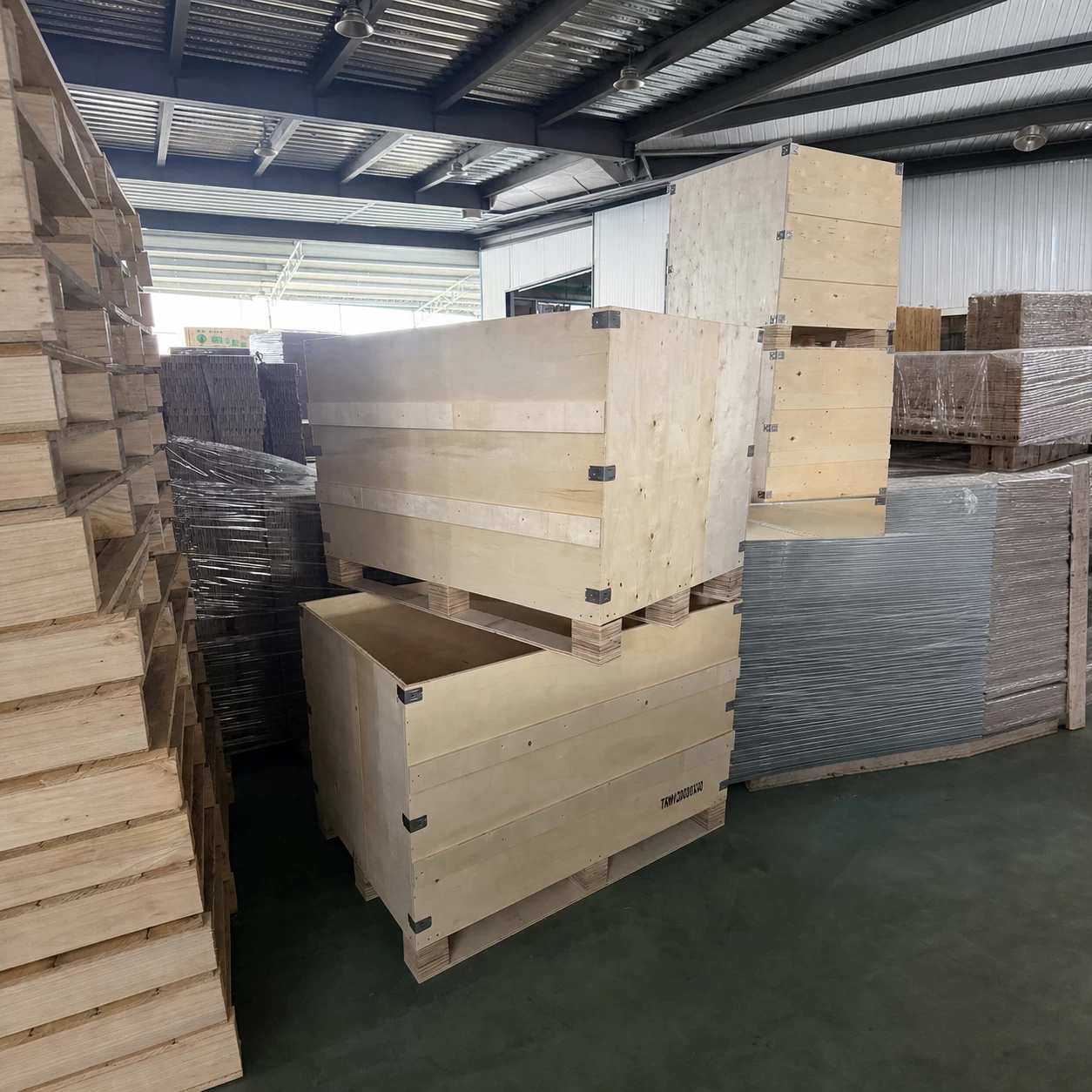
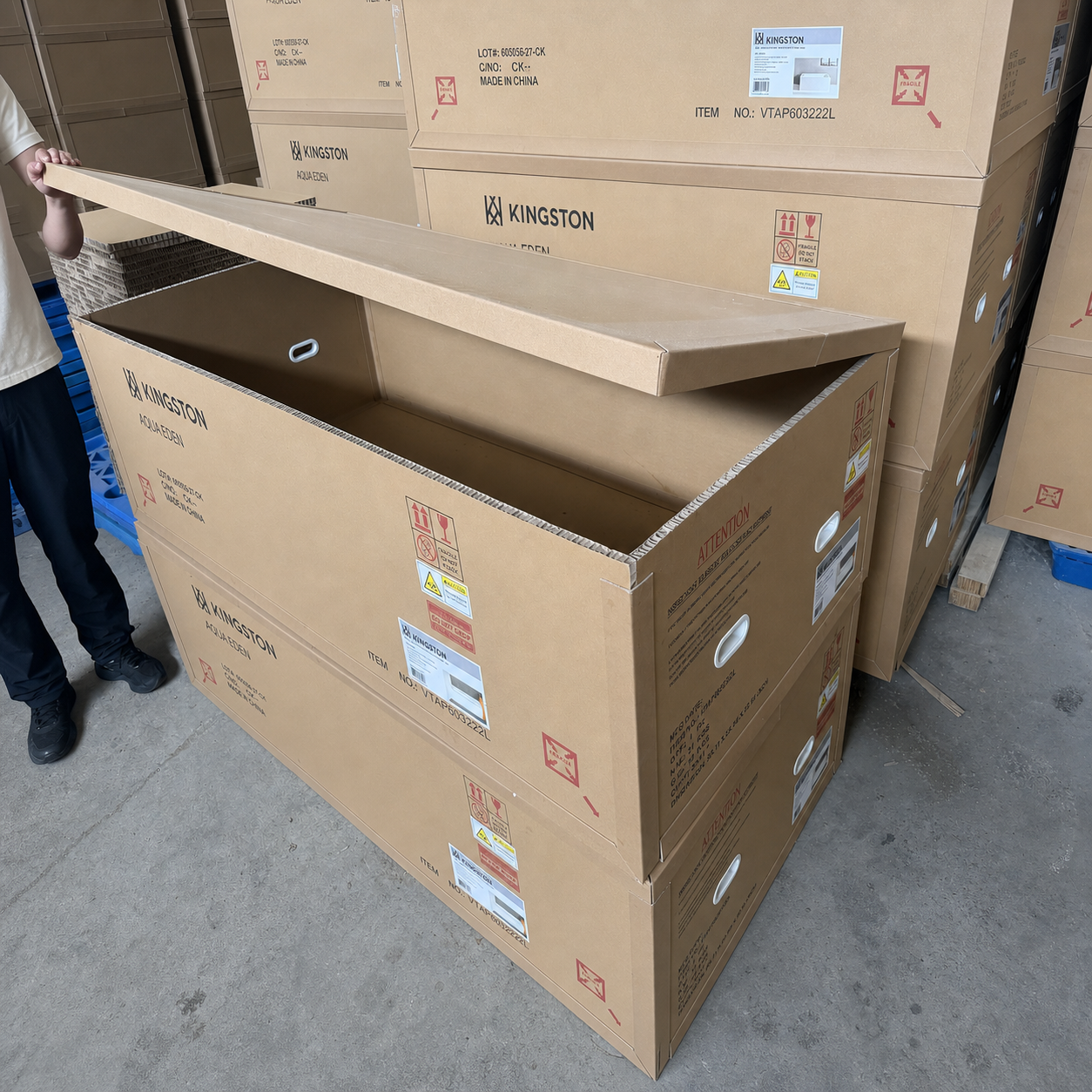
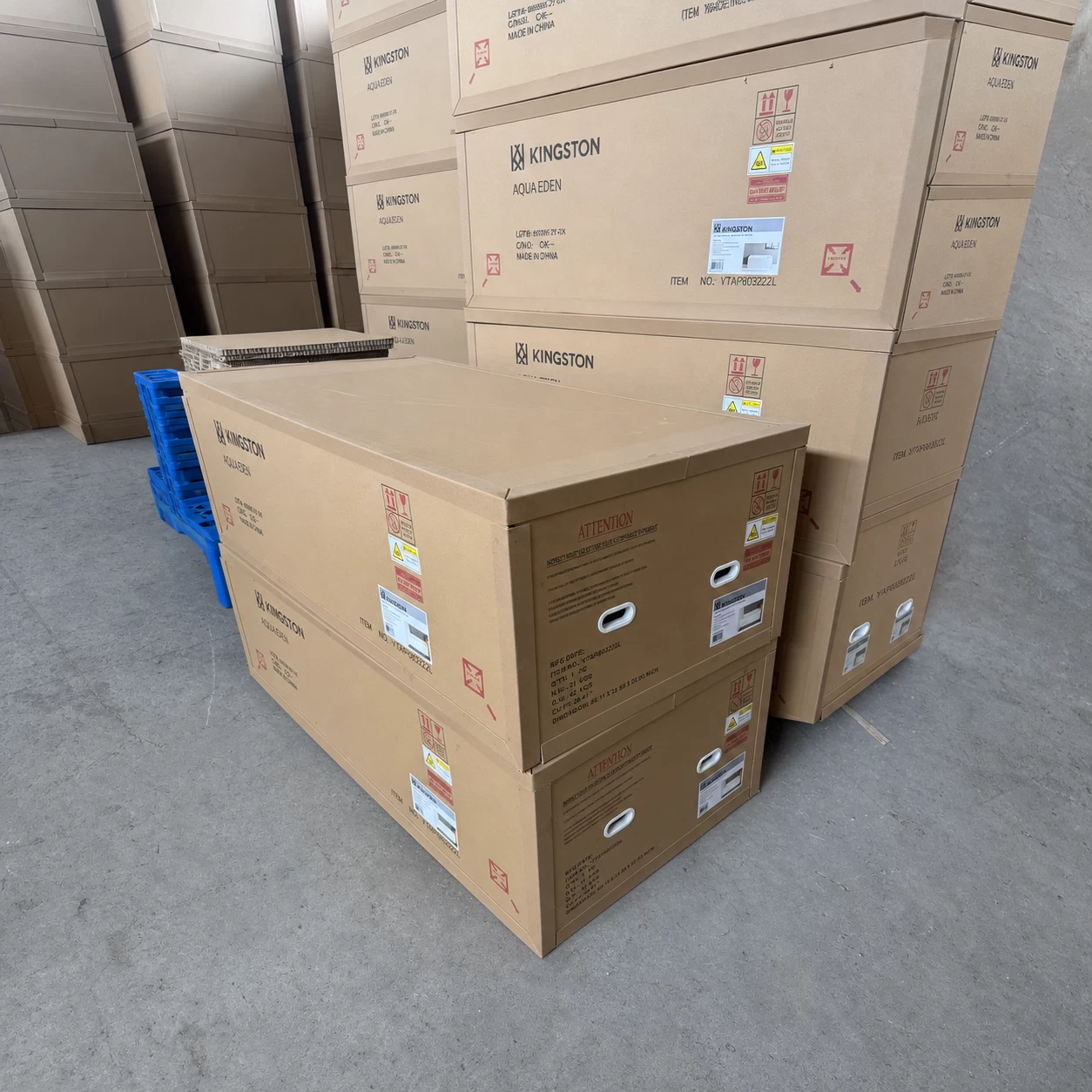
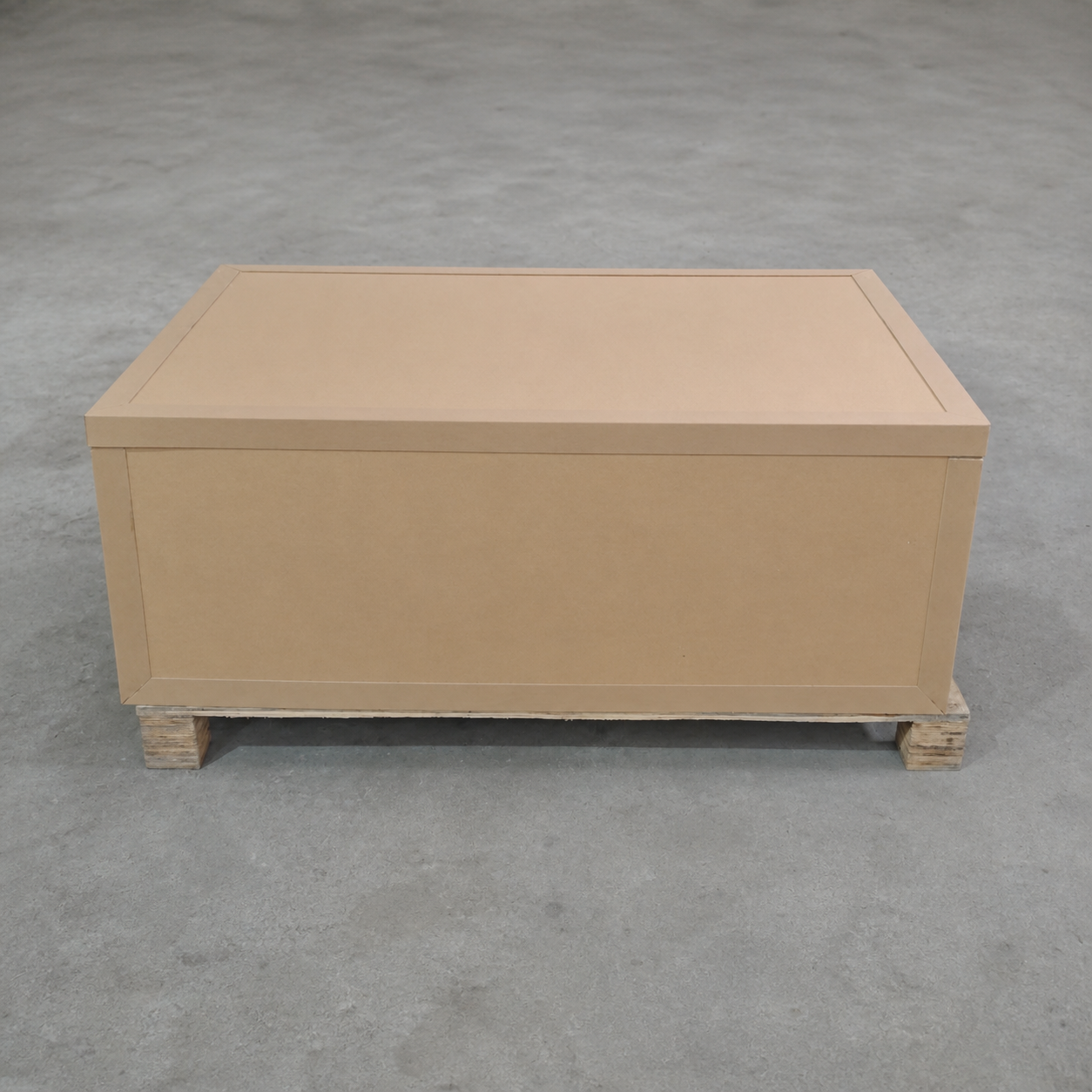
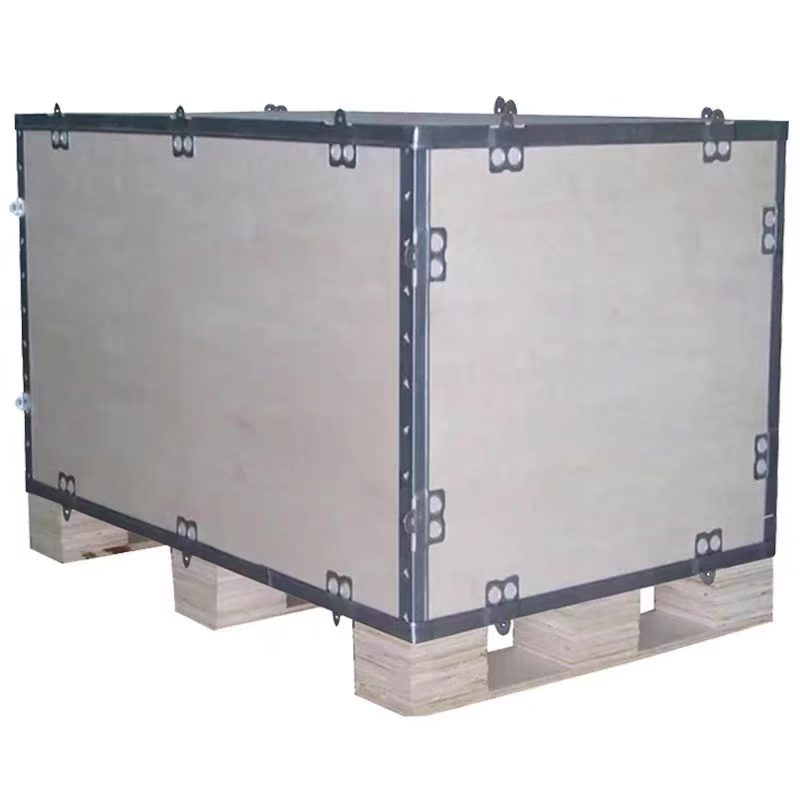
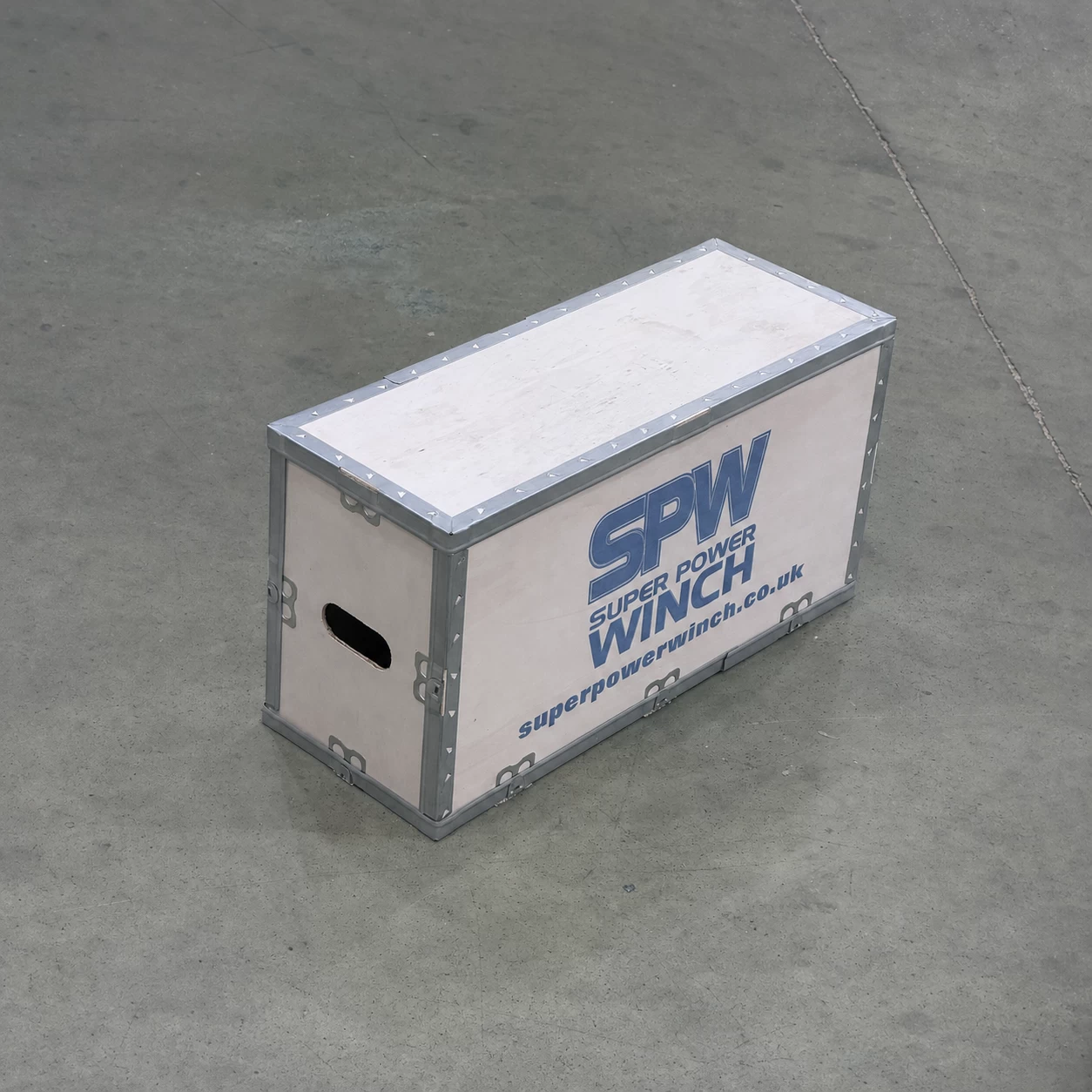
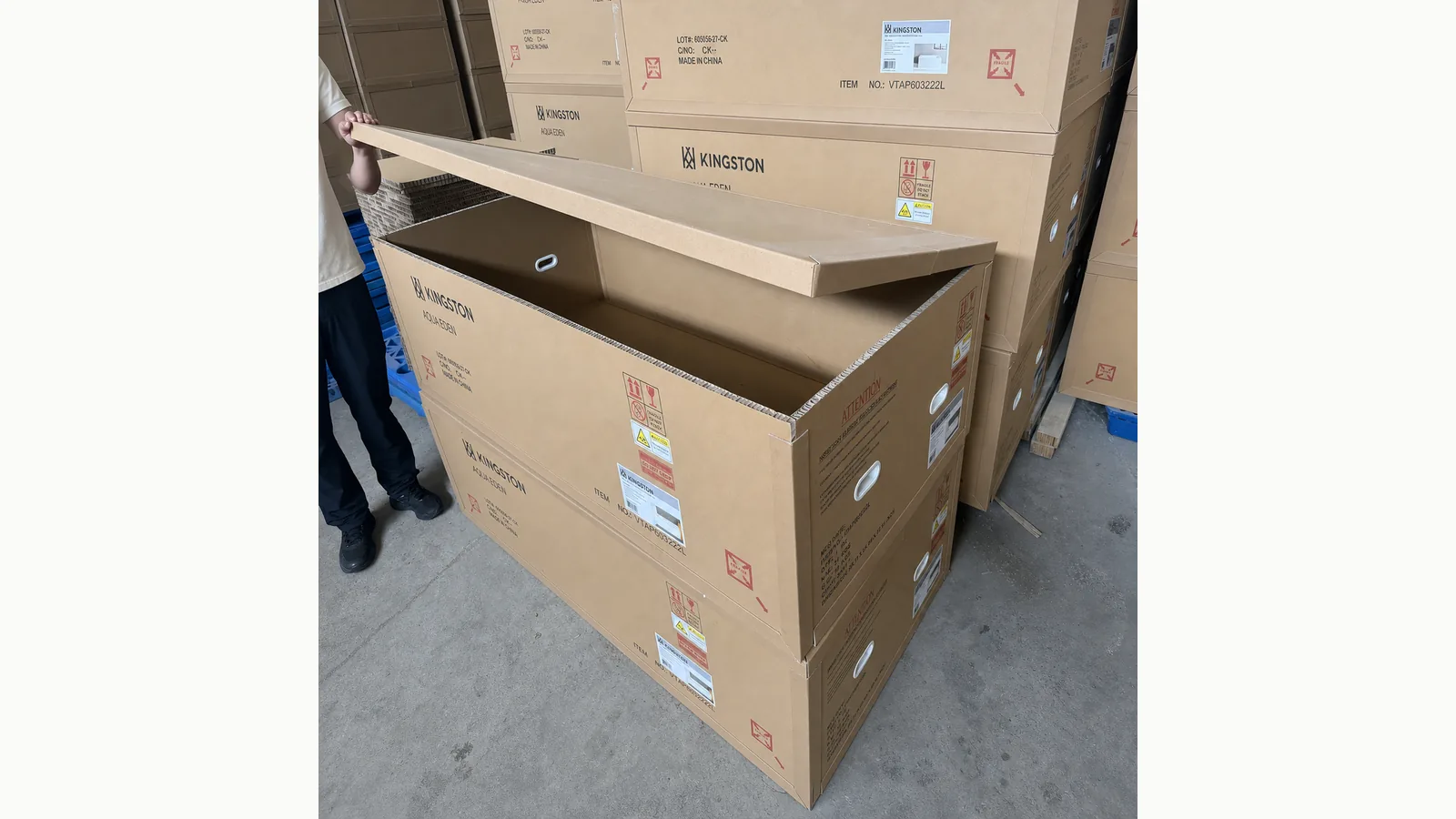
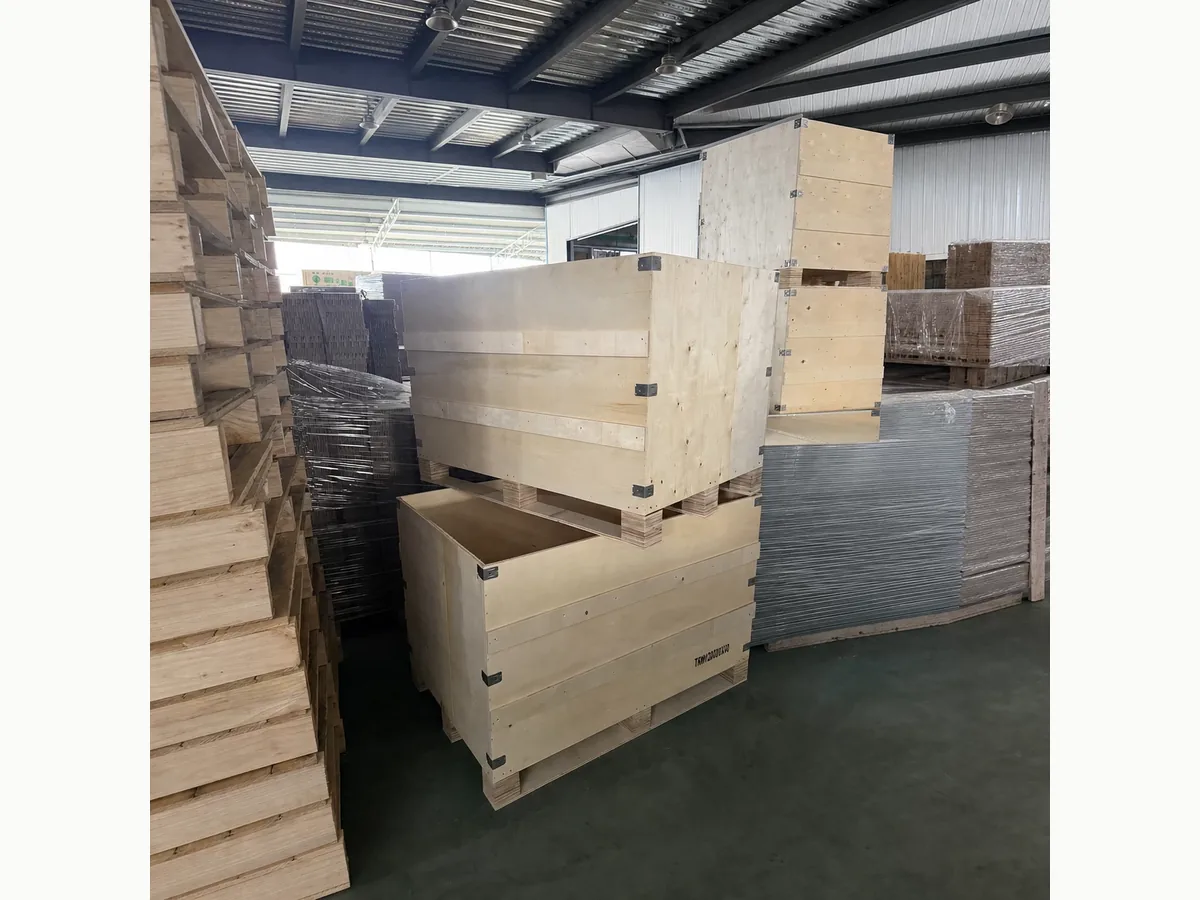
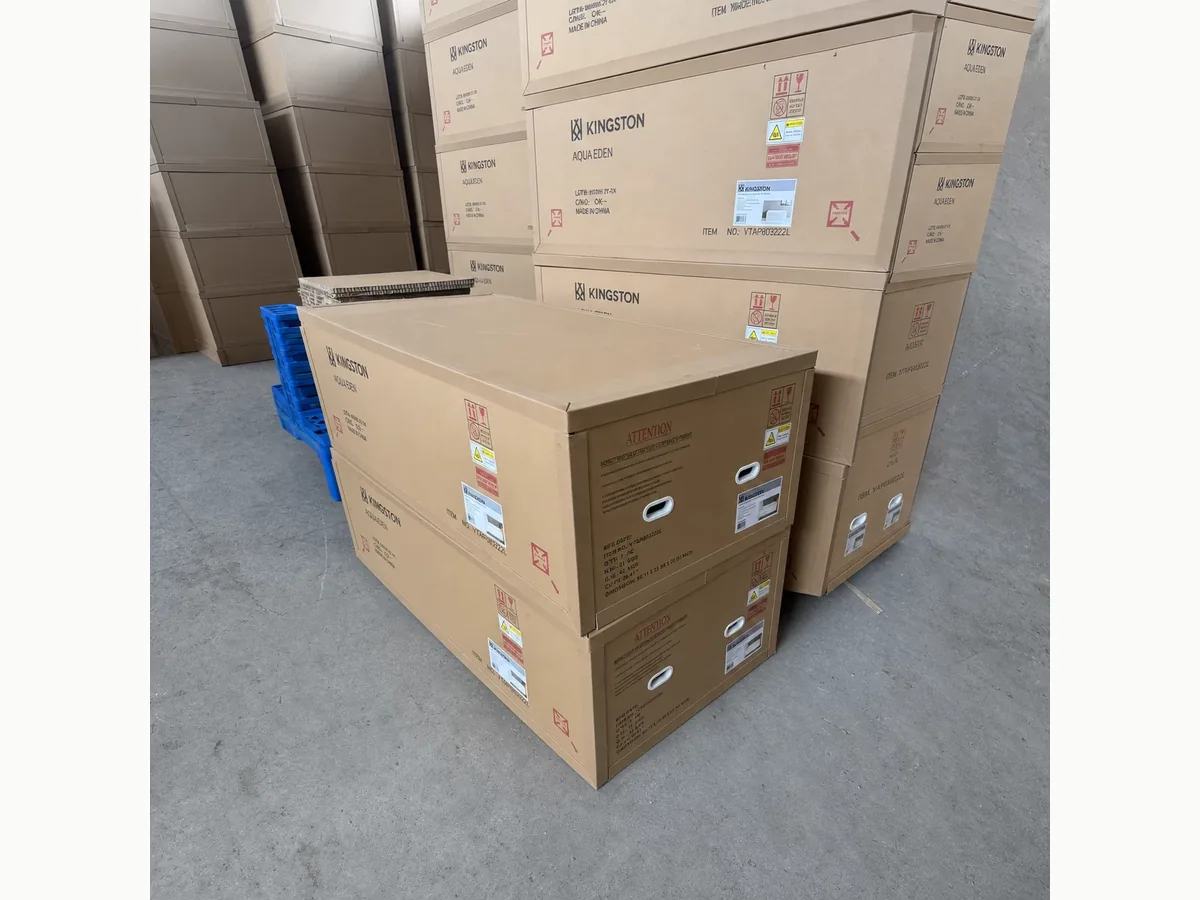
Direct answer: Honeycomb packaging can reduce pack weight and simplify disposal for suitable loads, while wooden cases provide a rigid base and robust attachment options for heavy or awkward equipment. The correct choice depends on load paths, handling points, moisture exposure, transport mode, destination rules, and unpacking needs.
Side-by-Side Buying Criteria
| Criterion | Honeycomb paper system | Wooden case |
|---|---|---|
| Weight | Generally lighter for comparable enclosure coverage | Usually heavier |
| Blocking and bolting | Requires engineered reinforcement and compatible fittings | Offers straightforward attachment to skids and framing |
| Moisture | Needs careful barrier and storage planning | Also needs moisture control; wood rules may apply |
| Disposal | Paper-based components may fit local fiber recovery streams | Reuse or disposal depends on construction and local facilities |
| Customs | Paper components are not regulated wood packaging | Regulated wood entering the U.S. must meet applicable requirements |
Choose Around the Load Path
Map where the product contacts the base, where straps or fasteners act, and how forklift or crane forces enter the package. A light enclosure does not remove the need for a base that safely carries concentrated loads.
U.S. Import Considerations for Wood
USDA APHIS states that regulated wood packaging material entering the United States must be debarked, treated, and officially marked in accordance with ISPM 15. Confirm the current requirements and the final pack configuration with the supplier and logistics provider before shipment. Review the current USDA APHIS guidance.
A Practical Evaluation Sequence
- Record product weight, center of gravity, fragile zones, and lift points.
- Describe road, ocean, air, warehouse, and final-mile handling.
- Identify stacking, humidity, and storage duration.
- Compare complete packed weight and cube, not enclosure price alone.
- Prototype the selected system with the real product and handling method.
Review our manufactured packaging products, honeycomb equipment, and printing equipment before preparing your inquiry.
Buyer FAQ
Can honeycomb packaging replace every wooden crate?
No. Suitability depends on concentrated loads, attachment needs, moisture exposure, and the handling system.
Is a wooden case automatically ISPM 15 compliant?
No. Regulated wood components must meet the applicable treatment and marking rules; verify the finished pack and current import requirements.
Which option is better for air freight?
Lower packaging weight can be valuable, but protection and handling requirements remain controlling factors.
How should moisture be managed?
Use a moisture-control plan based on route and storage, which may include barrier materials, desiccants, ventilation, or protective coatings as appropriate.
Should buyers request a drop test?
Testing should reflect the product, package weight, handling mode, and risk. Agree on the protocol before testing.
Can both materials be combined?
Yes. A rigid skid can be combined with paper-based panels or internal honeycomb components when engineering and destination rules permit.
Prepare a Useful RFQ
Send the product type, material preference, finished dimensions, packed-product weight, application environment, customization requirements, estimated quantity, packing method, destination country, and target delivery window. Final specifications, commercial terms, and timing should be confirmed against the approved drawing or sample.