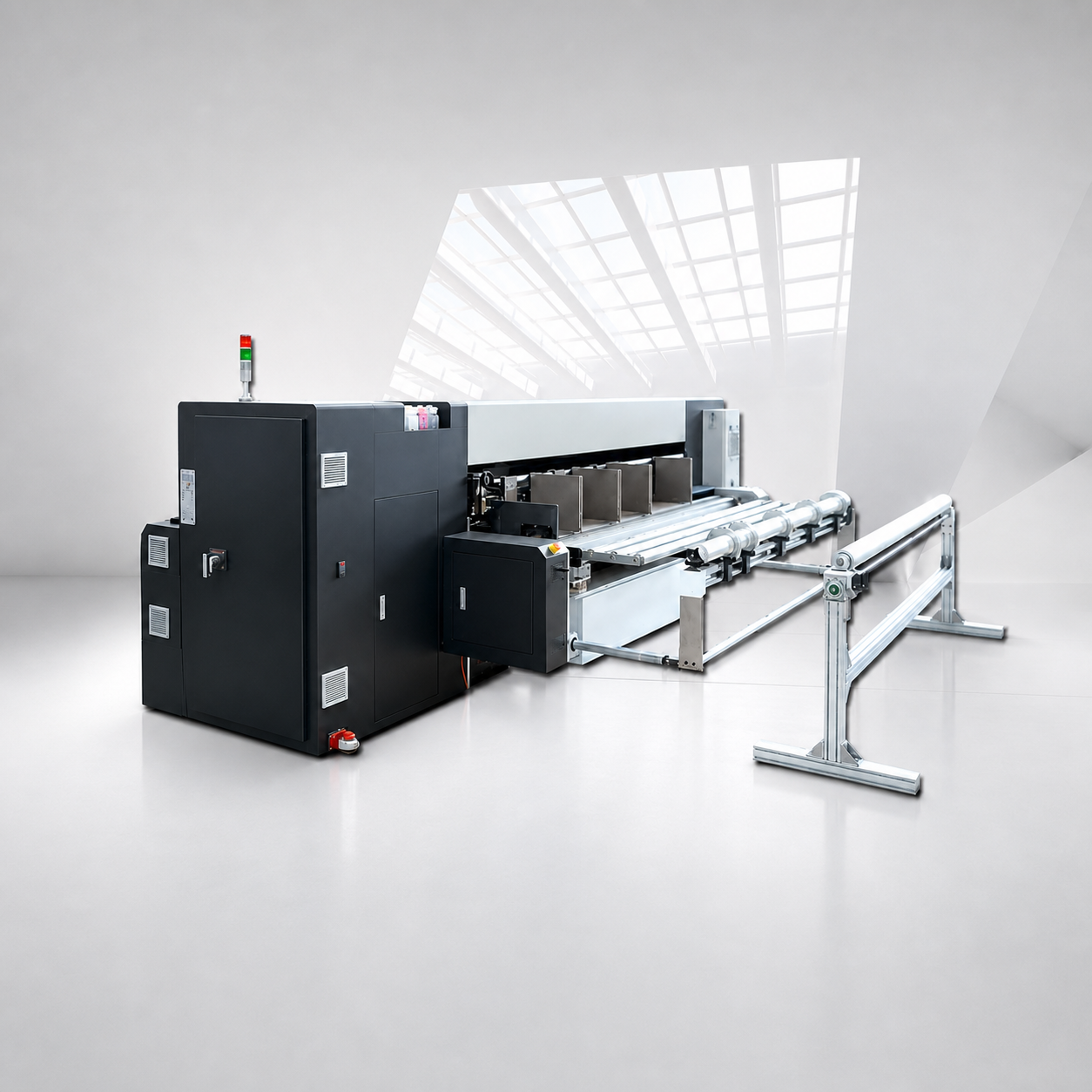
How to Evaluate Corrugated Printing and Converting Equipment
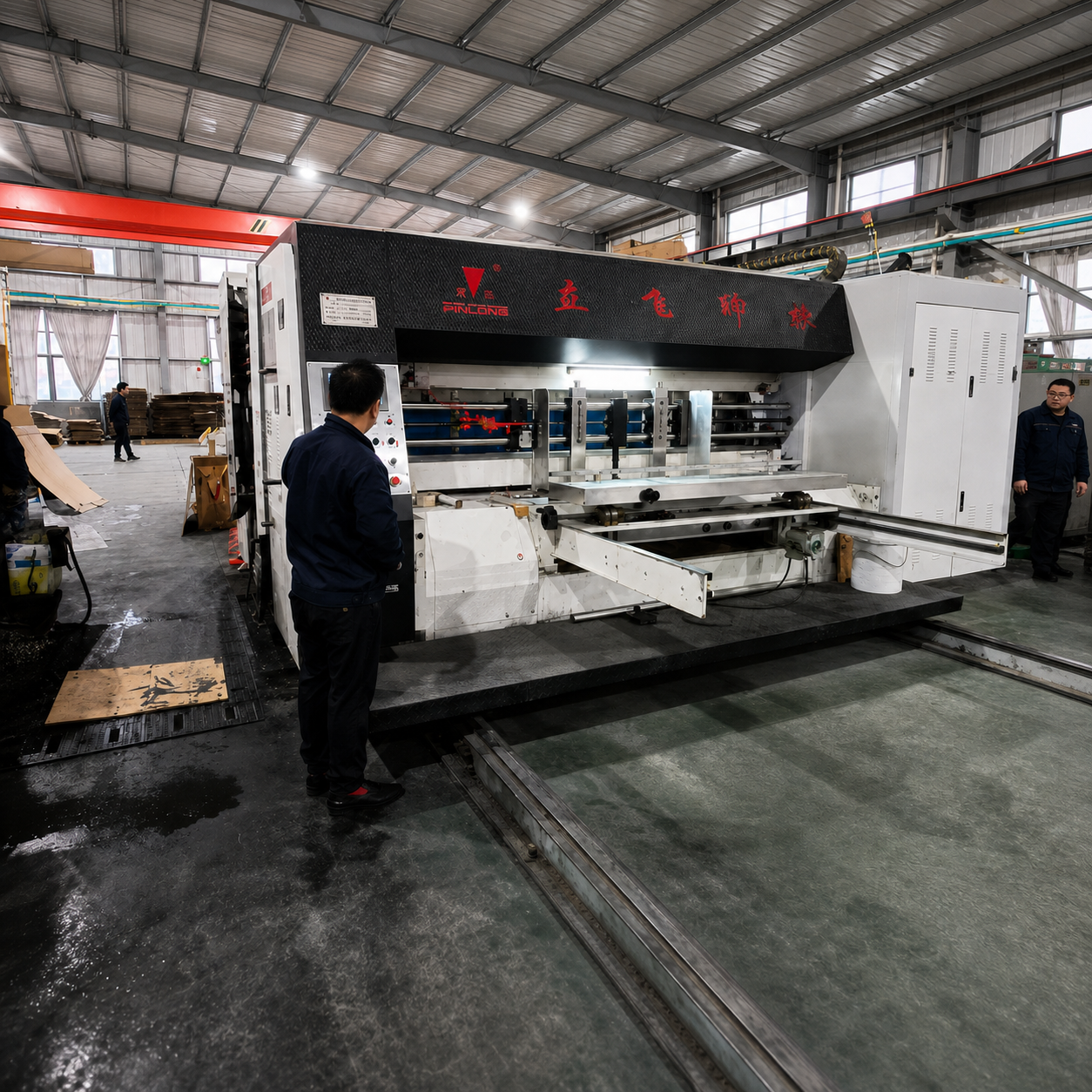
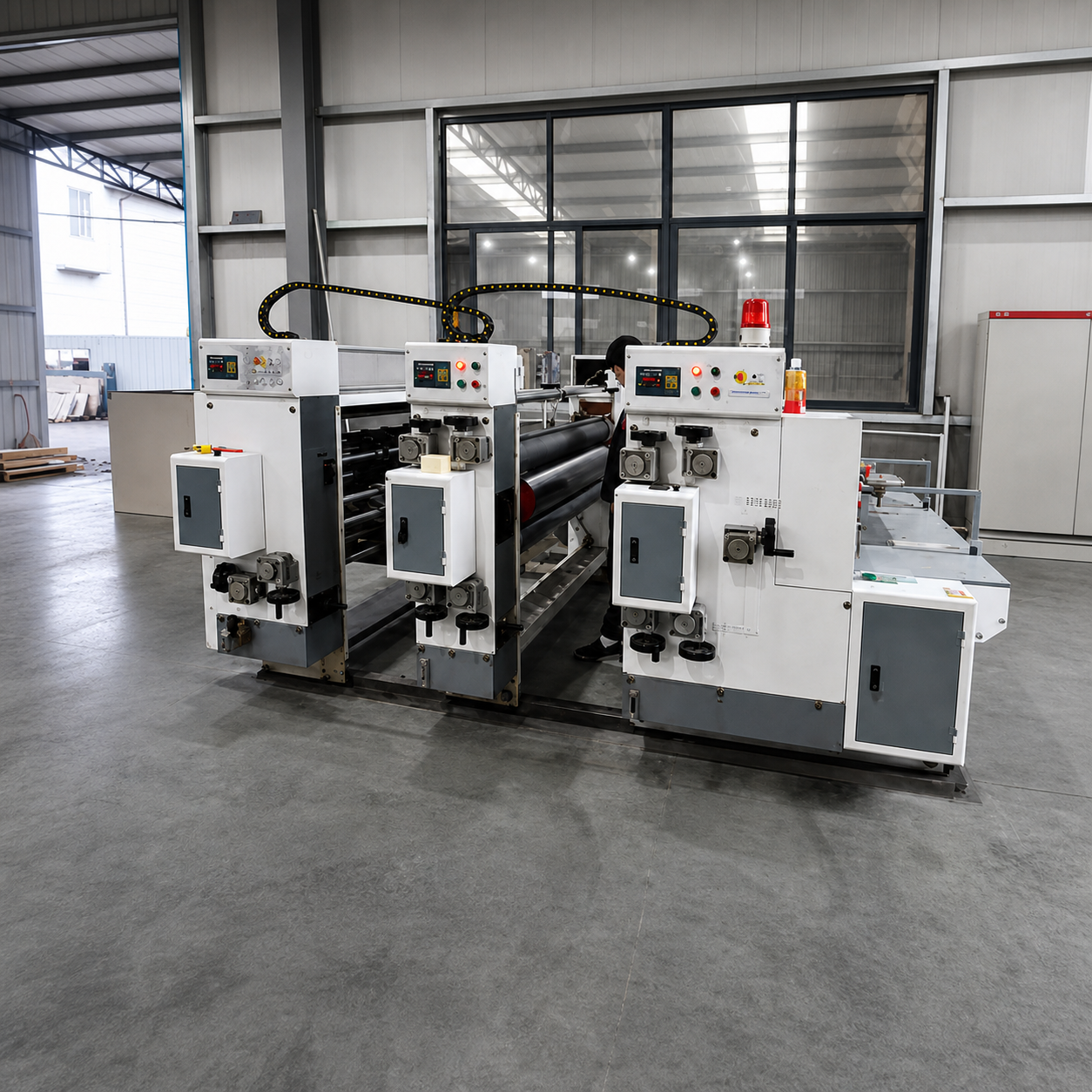
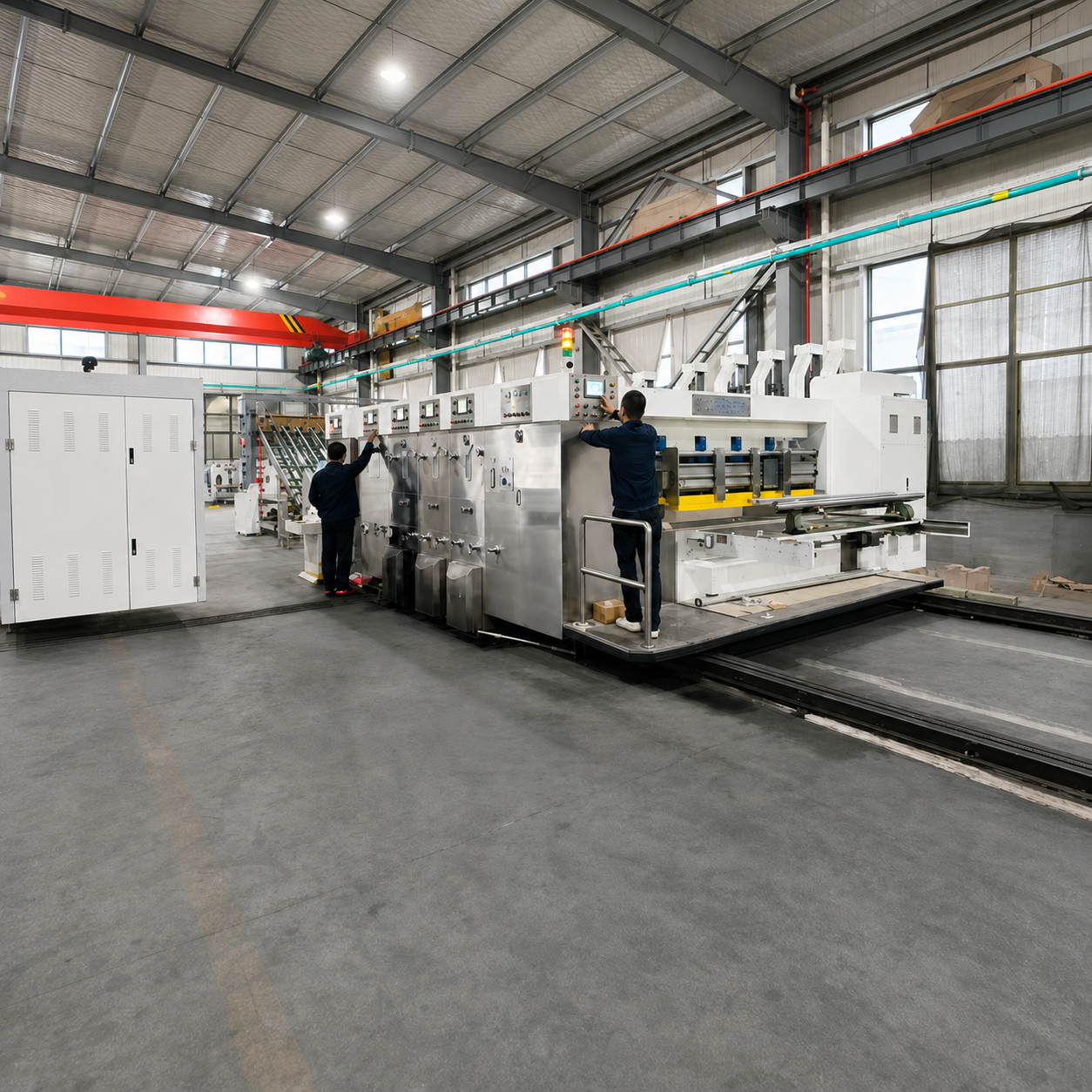
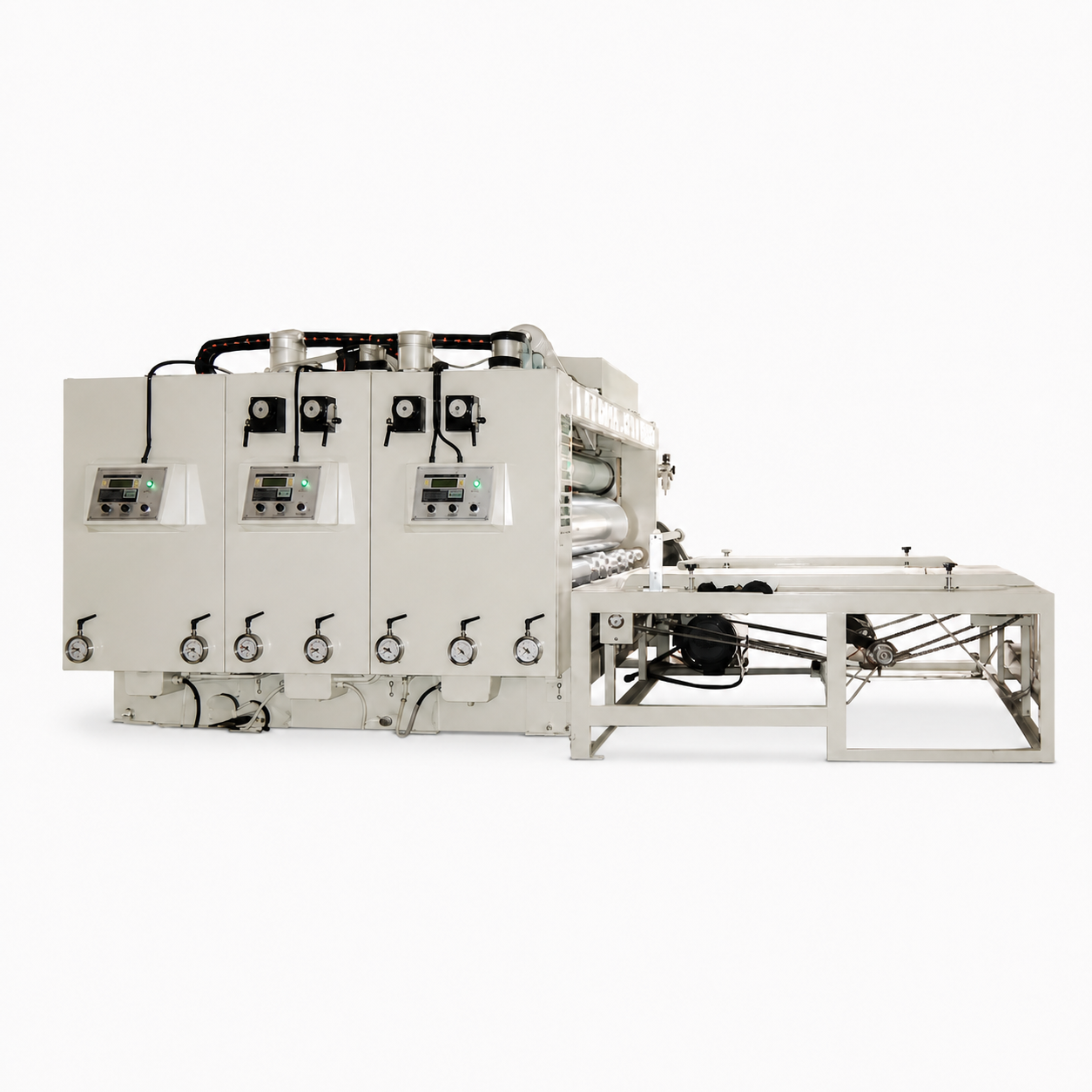
Direct answer: Equipment comparisons should begin with the board and finished box you need to run. Ask each supplier to demonstrate the required format range, print or cutting process, changeover method, utilities, safety functions, and acceptance criteria using representative material.
Start With Samples and a Product Matrix
List the board constructions, sheet sizes, print coverage, colors, slot and die-cut features, and finished tolerances. Identify the most difficult jobs instead of testing only an easy sample.
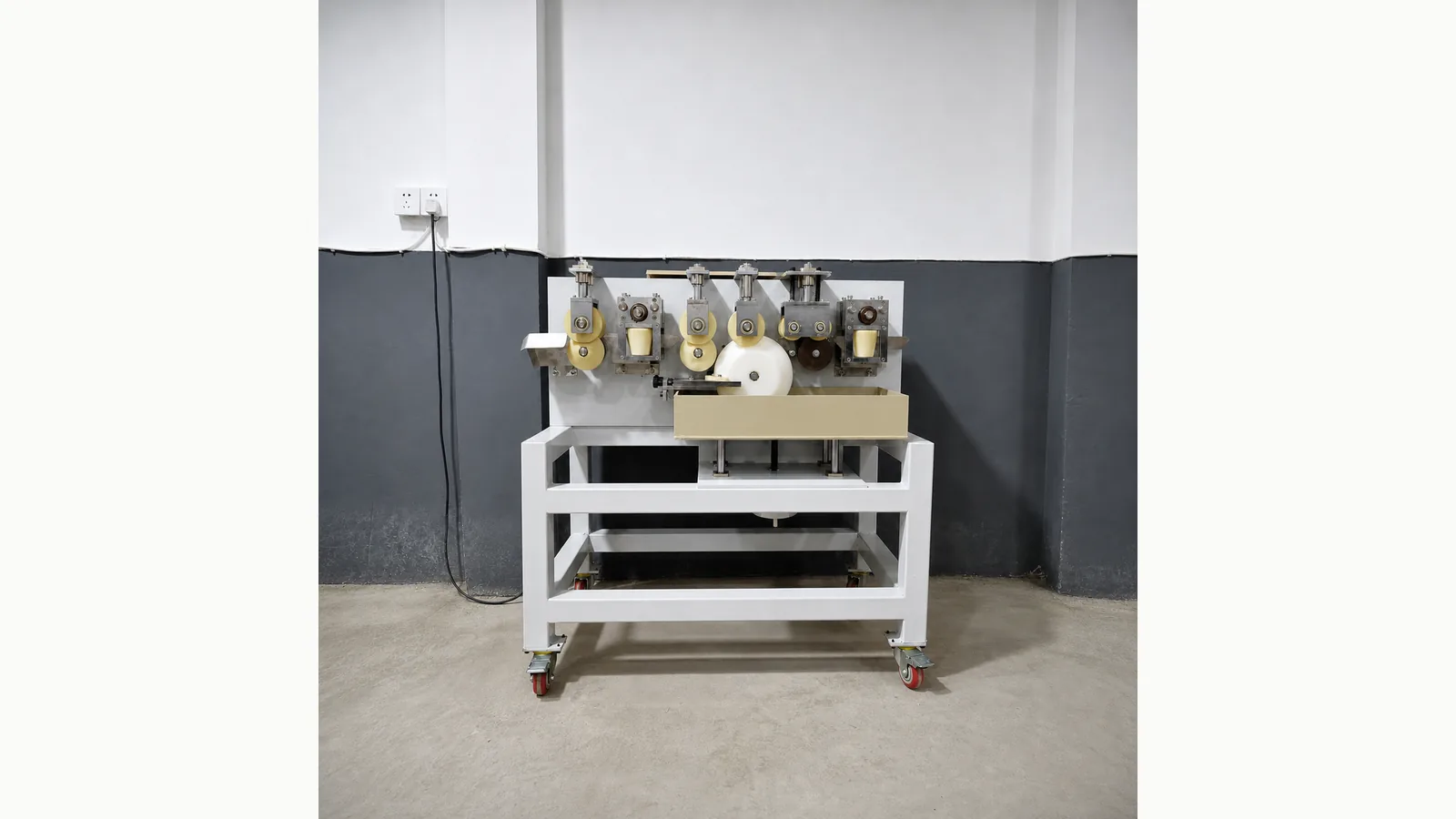
Questions for the Technical Review
| Area | Buyer question |
|---|---|
| Feeding | How are warped, varied, or short sheets controlled? |
| Printing | How are registration, ink delivery, wash-up, and plate changes managed? |
| Converting | What slotting, scoring, trimming, or die-cut range is supported? |
| Controls | Which settings are recipe-controlled and which are manual? |
| Utilities | What voltage, compressed air, extraction, and floor conditions are required? |
| Service | Which wear parts, manuals, remote support, and training are included? |
Define the Acceptance Test Before Ordering
Specify the buyer-supplied materials, job sequence, measurable output attributes, test duration, and treatment of interruptions. Avoid relying on an unqualified speed figure because stable production depends on board, print, format, and operator conditions.
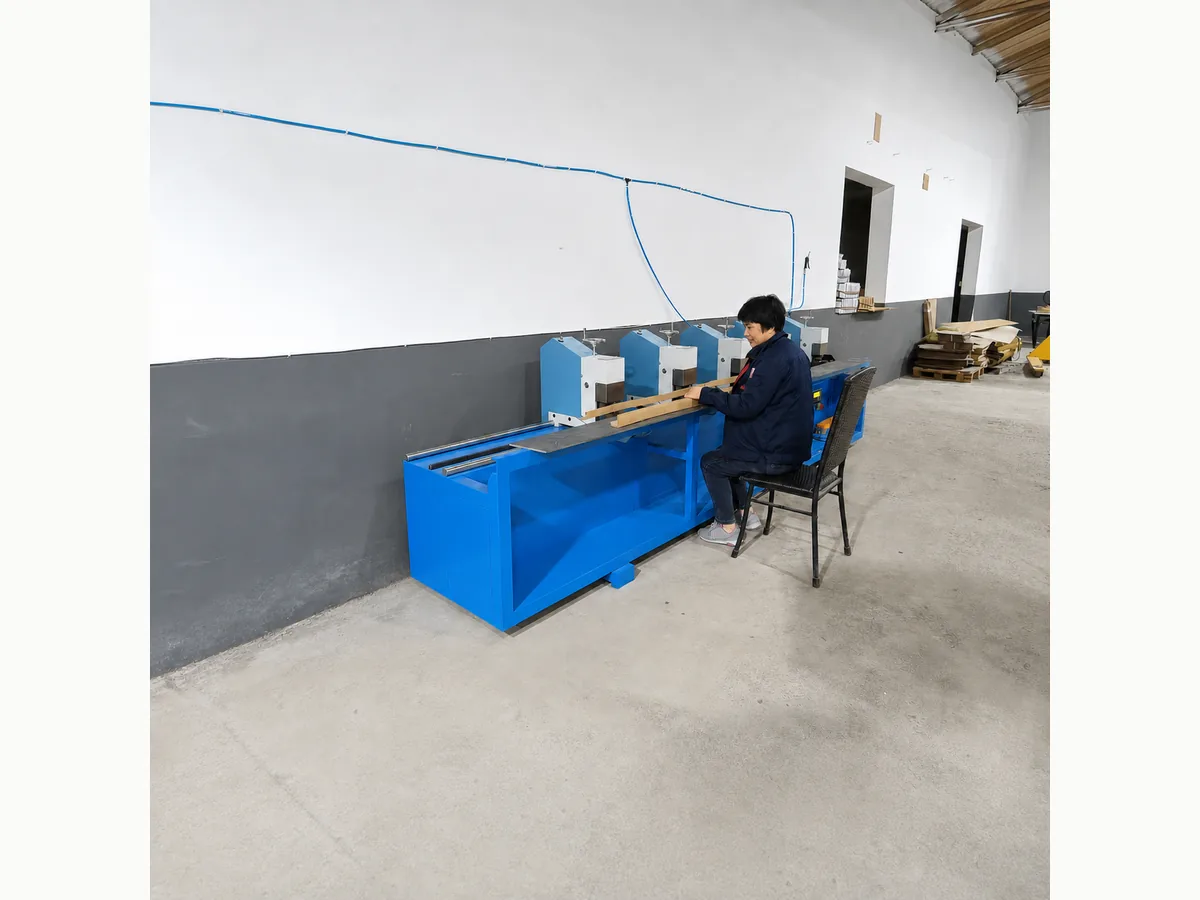
Total Project Scope
Review foundations, guarding, infeed and outfeed, ink or tooling systems, spare parts, installation, commissioning, and operator training. Confirm which items are included in the quotation and which remain the buyer’s responsibility.
Frequent Procurement Errors
- Comparing nameplate speed without defining the test job
- Ignoring the plant’s actual electrical standard and floor layout
- Ordering before samples and tooling are reviewed
- Leaving safety and acceptance requirements until installation
- Failing to plan spare parts and routine maintenance access

Review our manufactured packaging products, honeycomb equipment, and printing equipment before preparing your inquiry.
Buyer FAQ
What information should be sent before a machine quotation?
Provide board samples, format range, drawings, print requirements, target workflow, plant utilities, layout, and acceptance priorities.
Is maximum speed a reliable comparison?
Only when the material, job, quality criteria, and test conditions are the same.
Why are buyer samples important?
They reveal feeding, print, cutting, dust, and tolerance behavior that generic samples may not show.
Should tooling be included in the order?
Define the startup jobs and agree on plates, dies, blades, anilox rolls, or other tooling needed for acceptance.
What should an acceptance test measure?
Use job-specific measures such as registration, dimensions, scores, cuts, print appearance, waste, and stable operation.
How do buyers plan installation?
Confirm footprint, access, foundation, power, air, extraction, material flow, unloading, and local safety obligations.
Prepare a Useful RFQ
Send the product type, material preference, finished dimensions, packed-product weight, application environment, customization requirements, estimated quantity, packing method, destination country, and target delivery window. Final specifications, commercial terms, and timing should be confirmed against the approved drawing or sample.