Paperboard Inserts vs. Foam: How to Compare Packaging Options
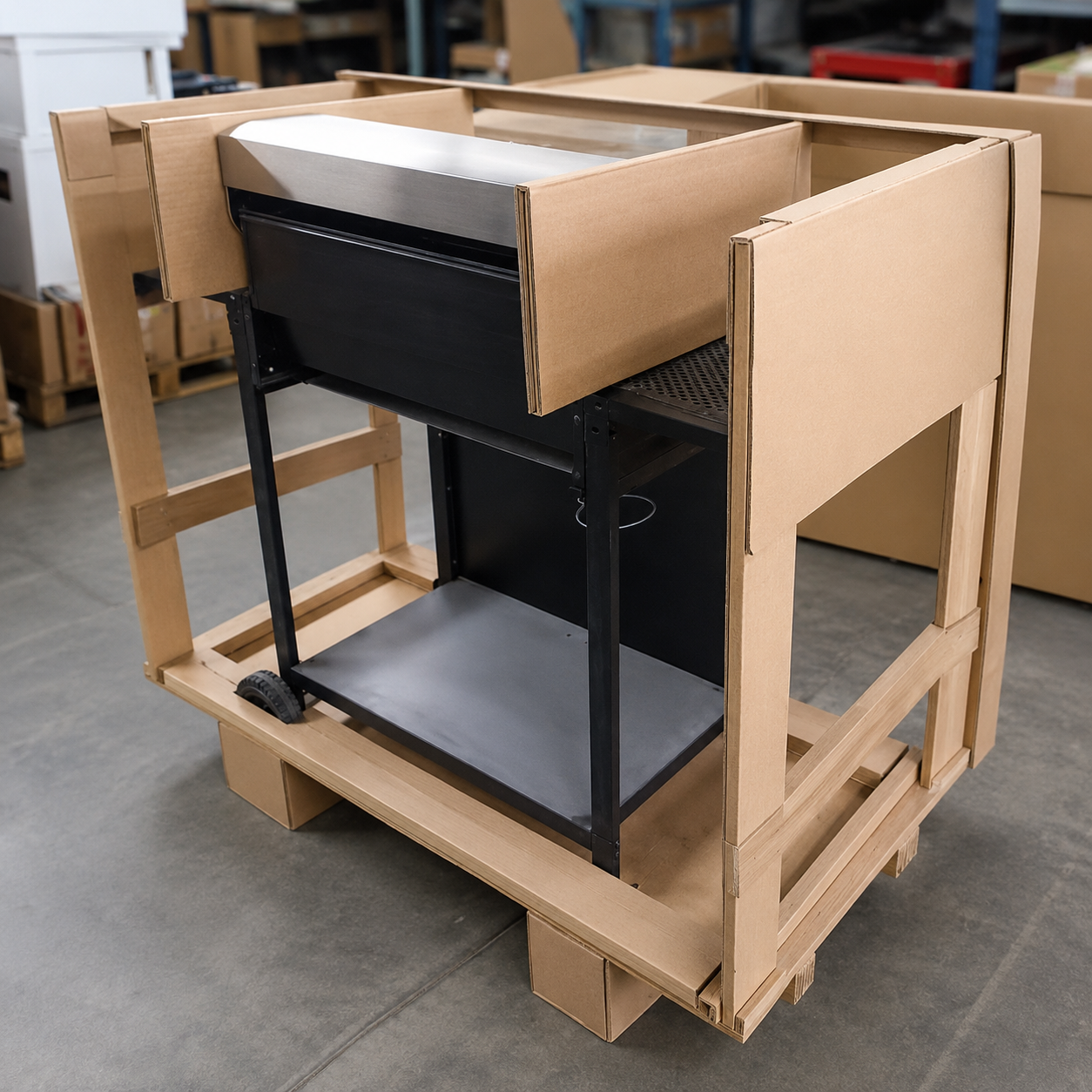
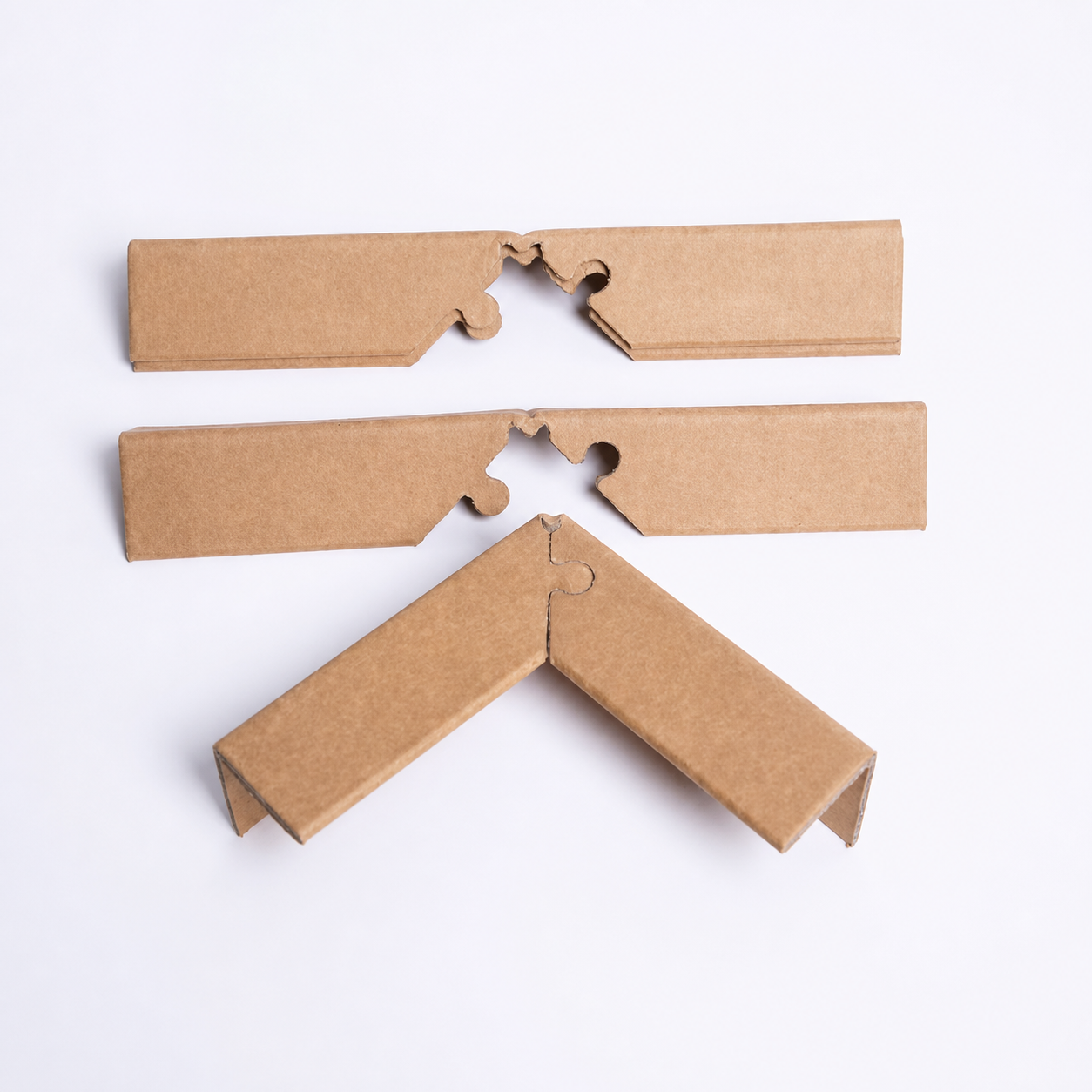
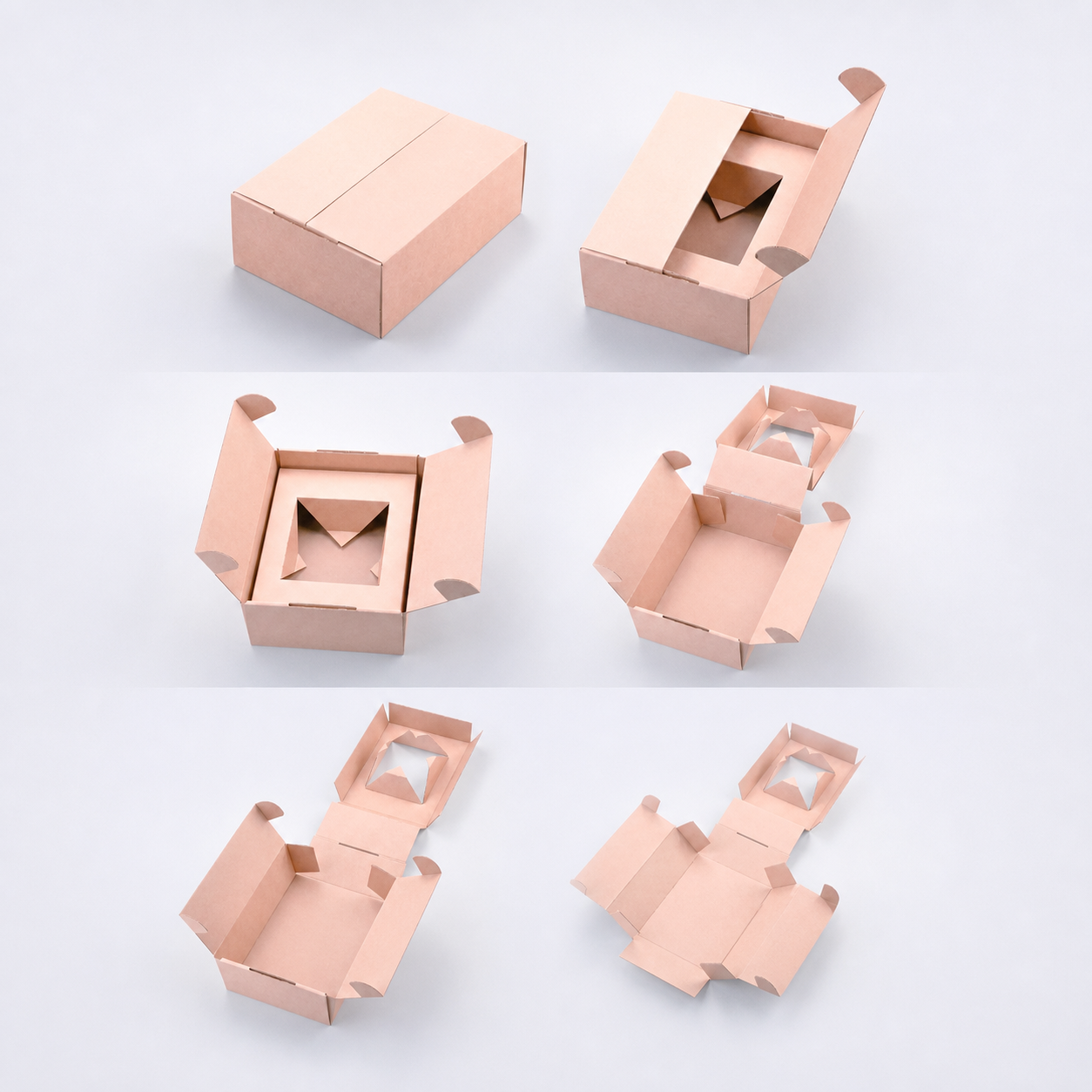
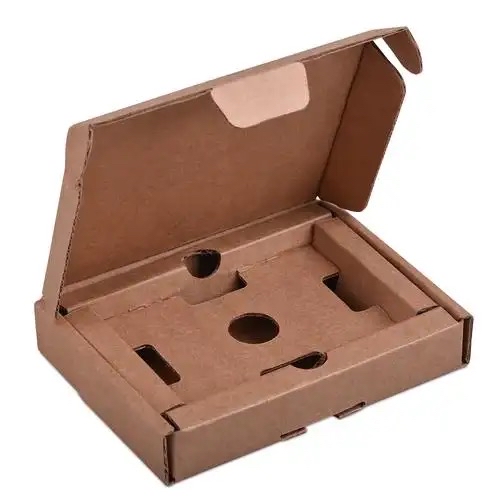
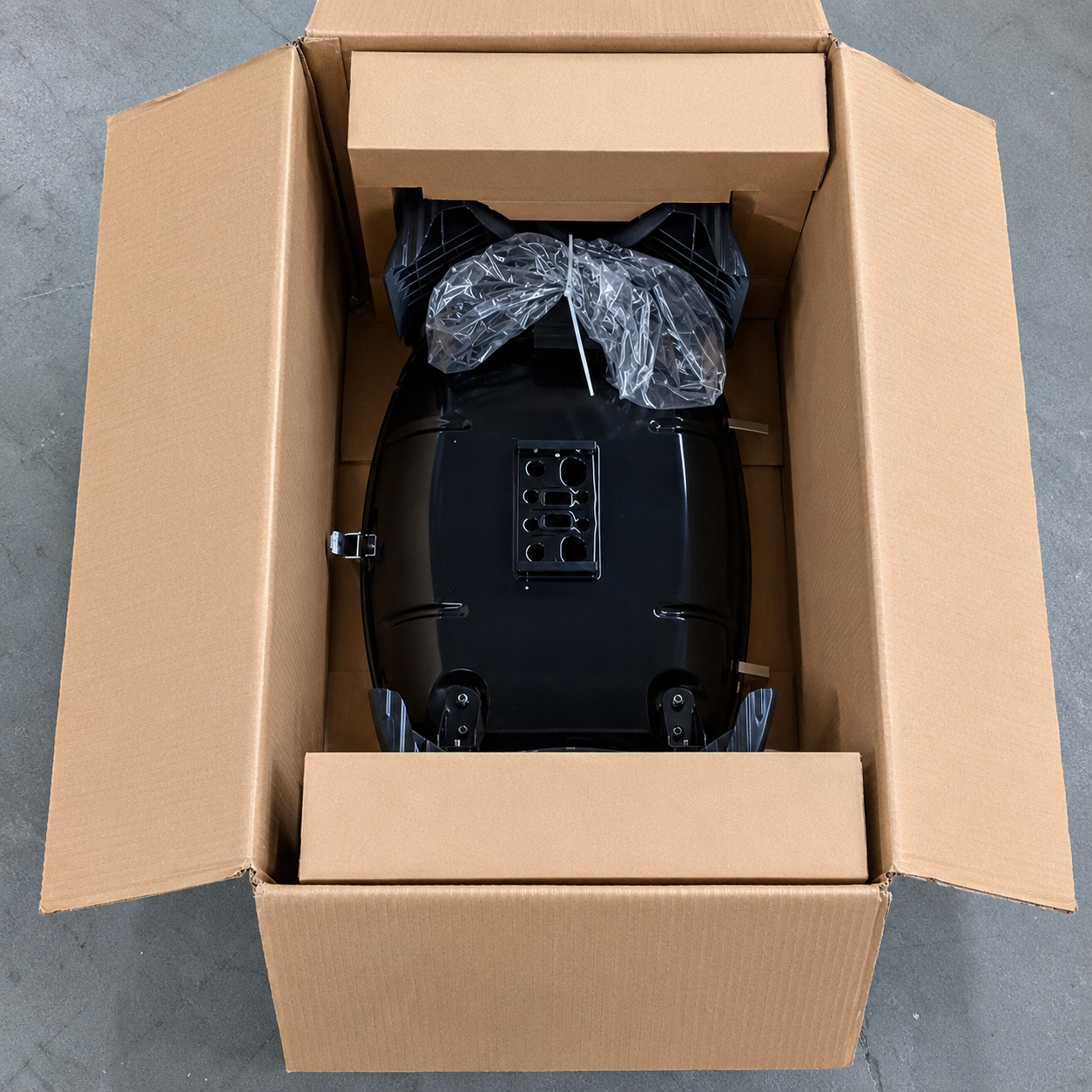
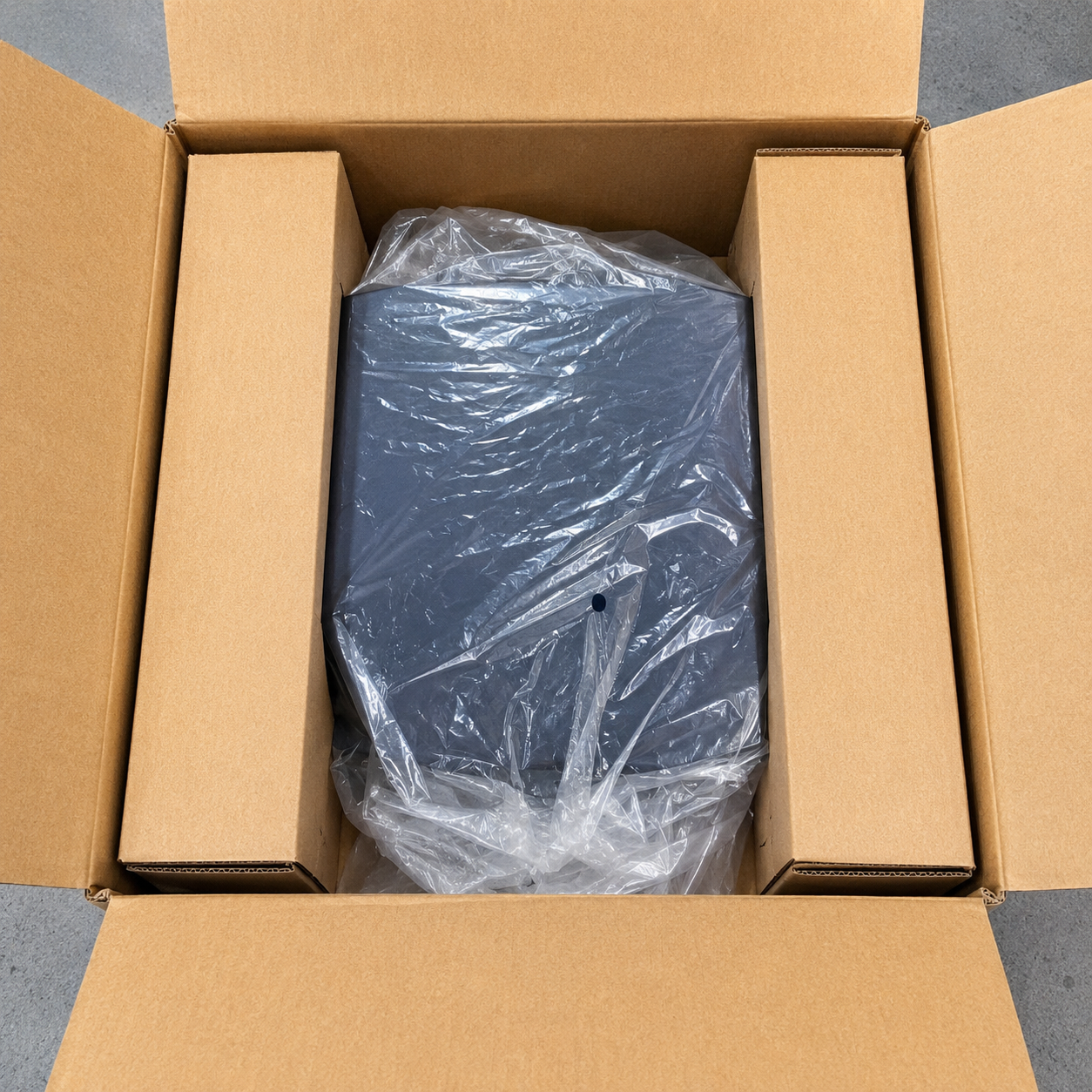
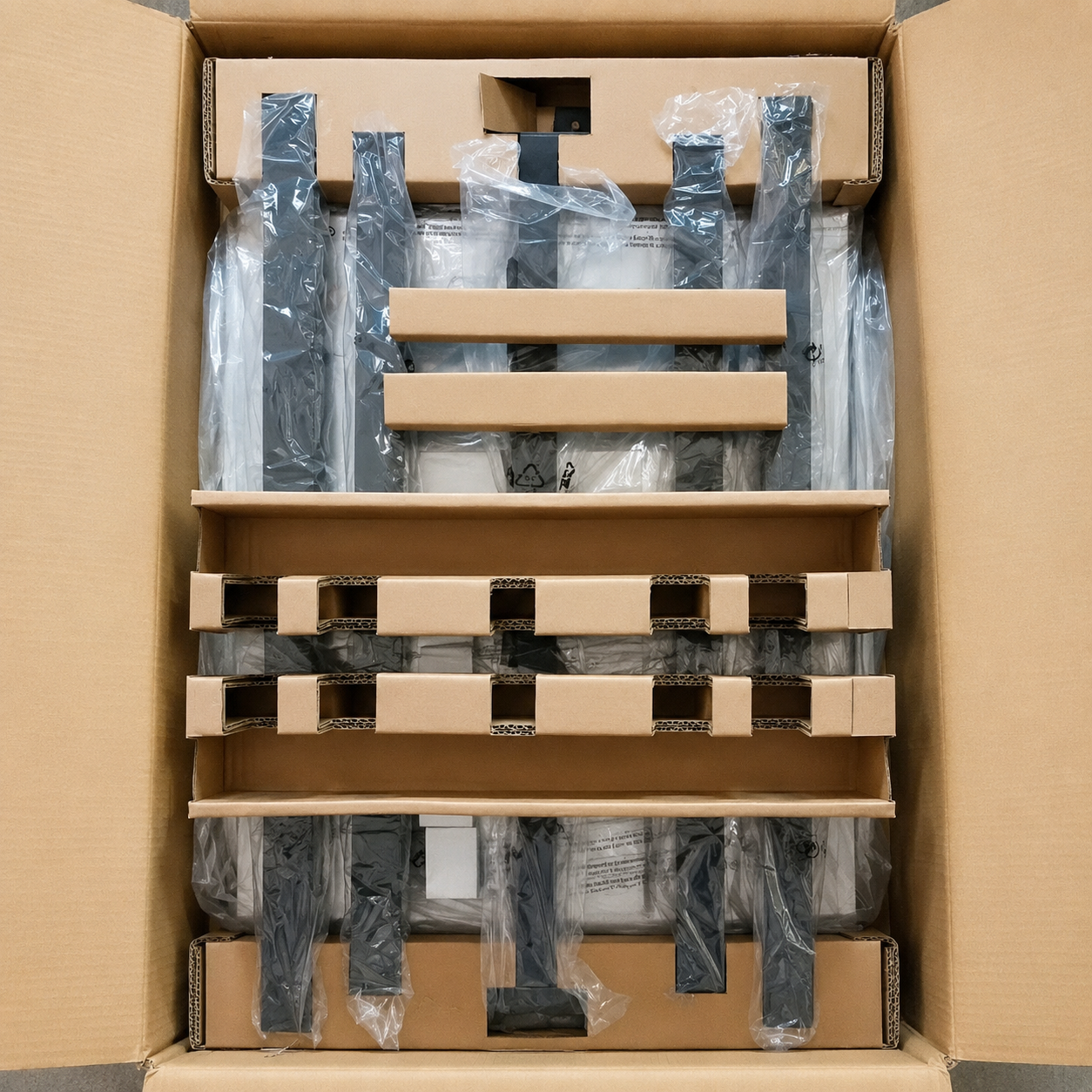
Direct answer: Paperboard inserts work well when geometry, separation, presentation, and recyclability goals drive the design. Foam may be appropriate when the product needs sustained cushioning, repeated impacts, delicate surface isolation, or a specific material response. The decision should come from testing the packed product, not from material preference alone.
Compare the Failure Modes First
| Risk | Paperboard design response | Foam design response |
|---|---|---|
| Movement | Folded cells, tabs, and partitions restrain geometry | Cut or molded cavities provide close contact |
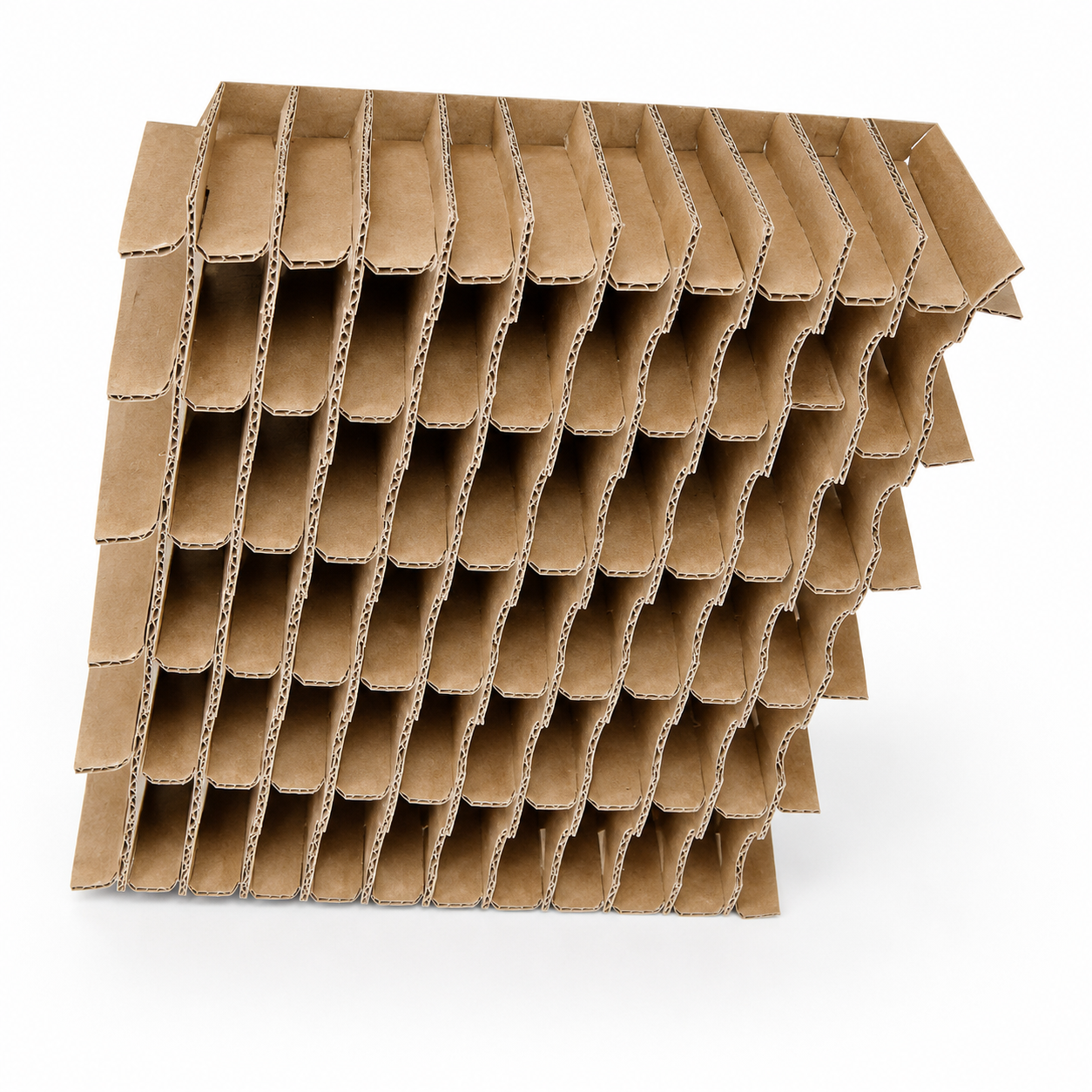
| Shock | Engineered crush zones and suspension features | Material deflection can provide cushioning |
| Abrasion | Surface liners or clearance may be needed | Foam chemistry and surface contact must be checked |
| Moisture | Paper properties may change with exposure | Performance depends on foam type and environment |
| Packing labor | May require folding or assembly | Often simple placement, depending on format |
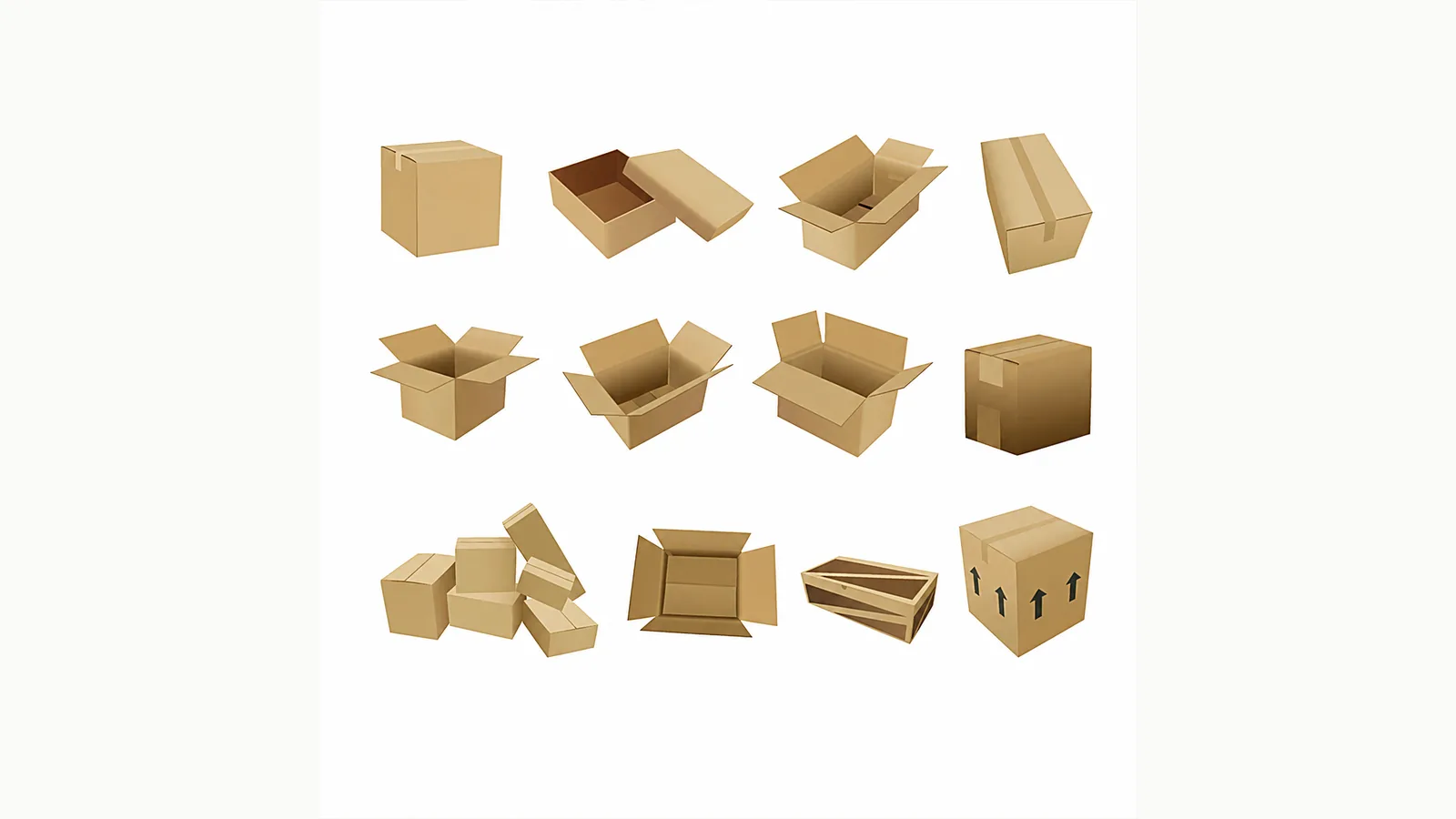
Fit Is Not the Same as Protection
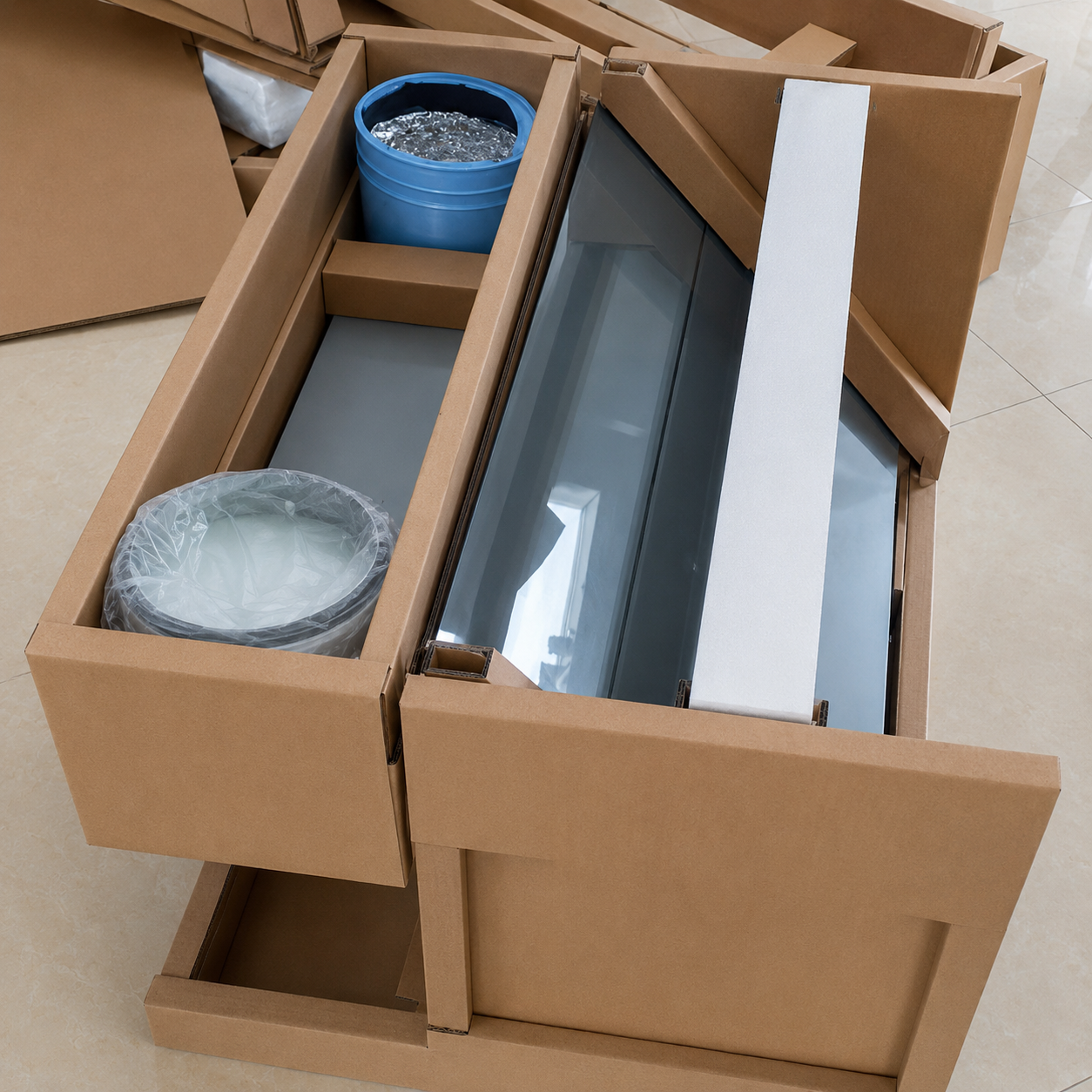
A tight cavity can still transfer shock, mark a surface, or load a fragile feature. Define safe contact zones and confirm that the packed product can be inserted and removed without damage.
Prototype the Complete Pack
- Use production-representative products and packaging materials.
- Condition them for relevant temperature and humidity where required.
- Pack them using the intended operator sequence.
- Test the entire package for the expected distribution hazards.
- Inspect both visible damage and functional performance.
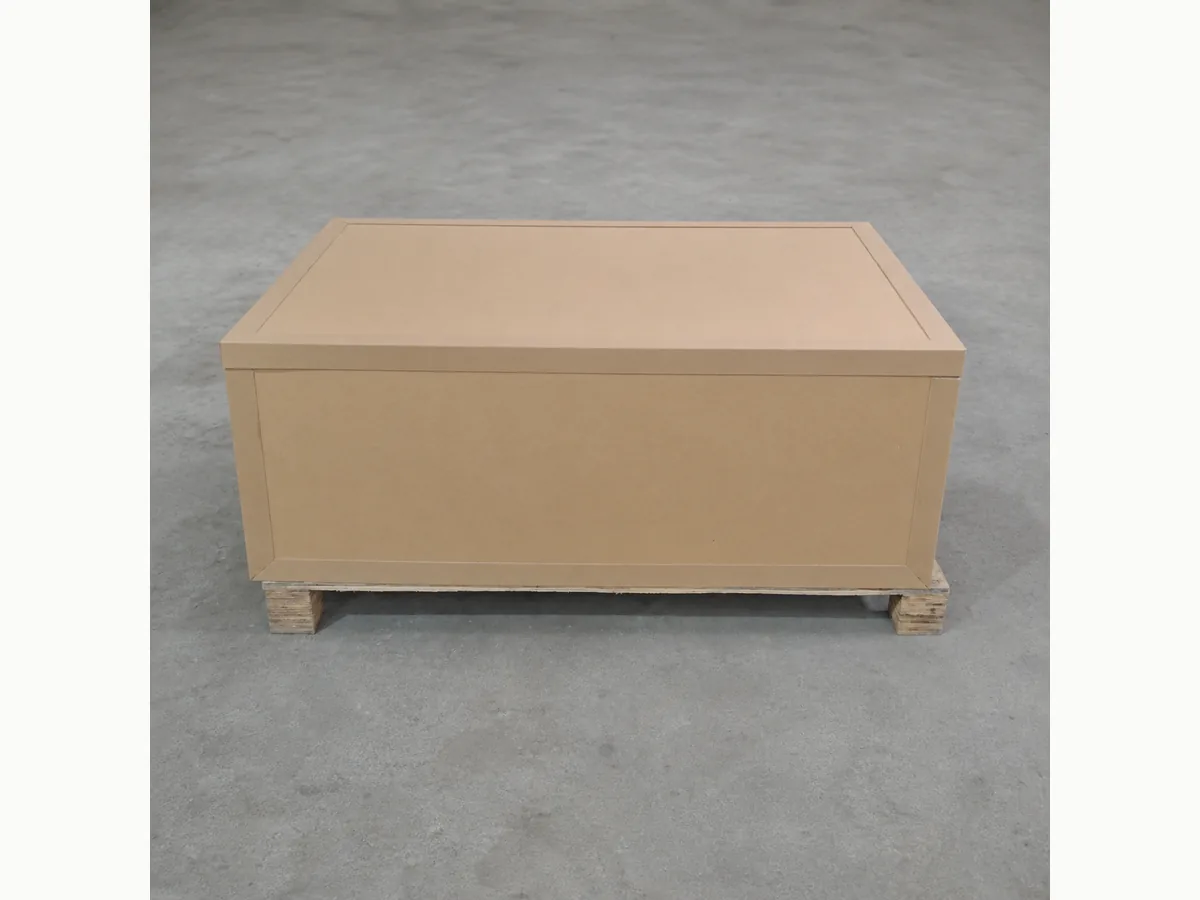
Operational and End-of-Life Questions
Compare assembly time, storage cube, dust, cleanroom or surface requirements, material identification, and local recovery options. Do not make a recycling claim solely because a component is paper or plastic; the finished construction and local collection system matter.
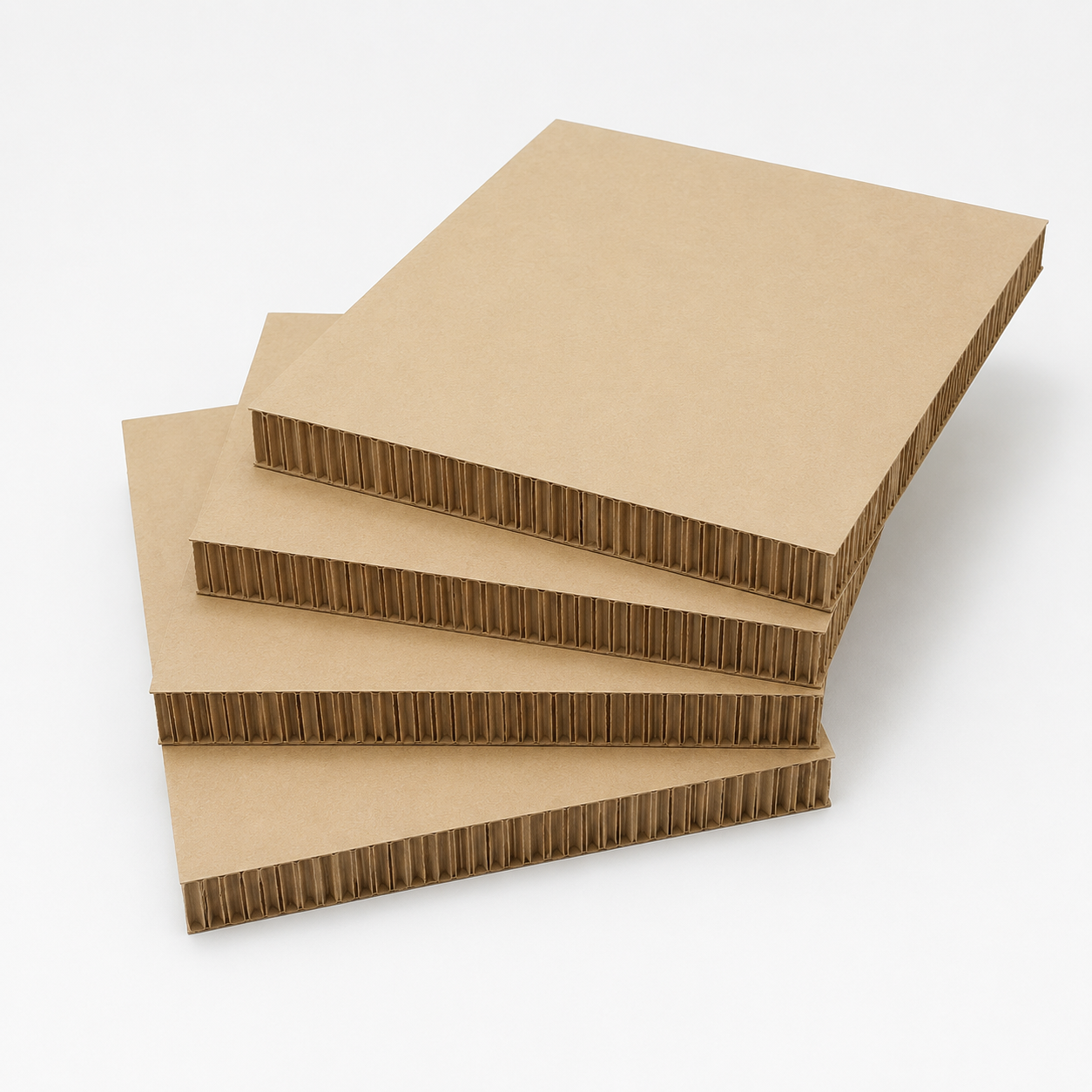
Review our manufactured packaging products, honeycomb equipment, and printing equipment before preparing your inquiry.
Buyer FAQ
Is paperboard always cheaper than foam?
No. Tooling, material, assembly labor, order quantity, shipping cube, and damage performance all affect total cost.
Can paper inserts protect heavy products?
They can be engineered for some heavy products, but concentrated loads and repeated shocks require specific validation.
Can foam damage finishes?
Compatibility depends on material chemistry, surface, pressure, time, and environment. Test representative contact.
Which option is easier to recycle?
That depends on coatings, adhesives, contamination, separation, and local collection programs.
Should the insert touch every product surface?
No. Contact should occur at structurally safe locations while fragile or cosmetic areas remain protected.
Can both materials be used together?
Yes. A hybrid design may use paperboard for structure and a limited cushioning component where testing supports it.
Prepare a Useful RFQ
Send the product type, material preference, finished dimensions, packed-product weight, application environment, customization requirements, estimated quantity, packing method, destination country, and target delivery window. Final specifications, commercial terms, and timing should be confirmed against the approved drawing or sample.