From Drawing to Sample: A Practical OEM/ODM Packaging Workflow
Direct answer: A controlled OEM/ODM packaging project moves through requirements, structural design, prototype fit, artwork, performance validation, approval, and production release. Each stage should end with a named revision and an owner for the next decision.
Stage 1: Define the Pack
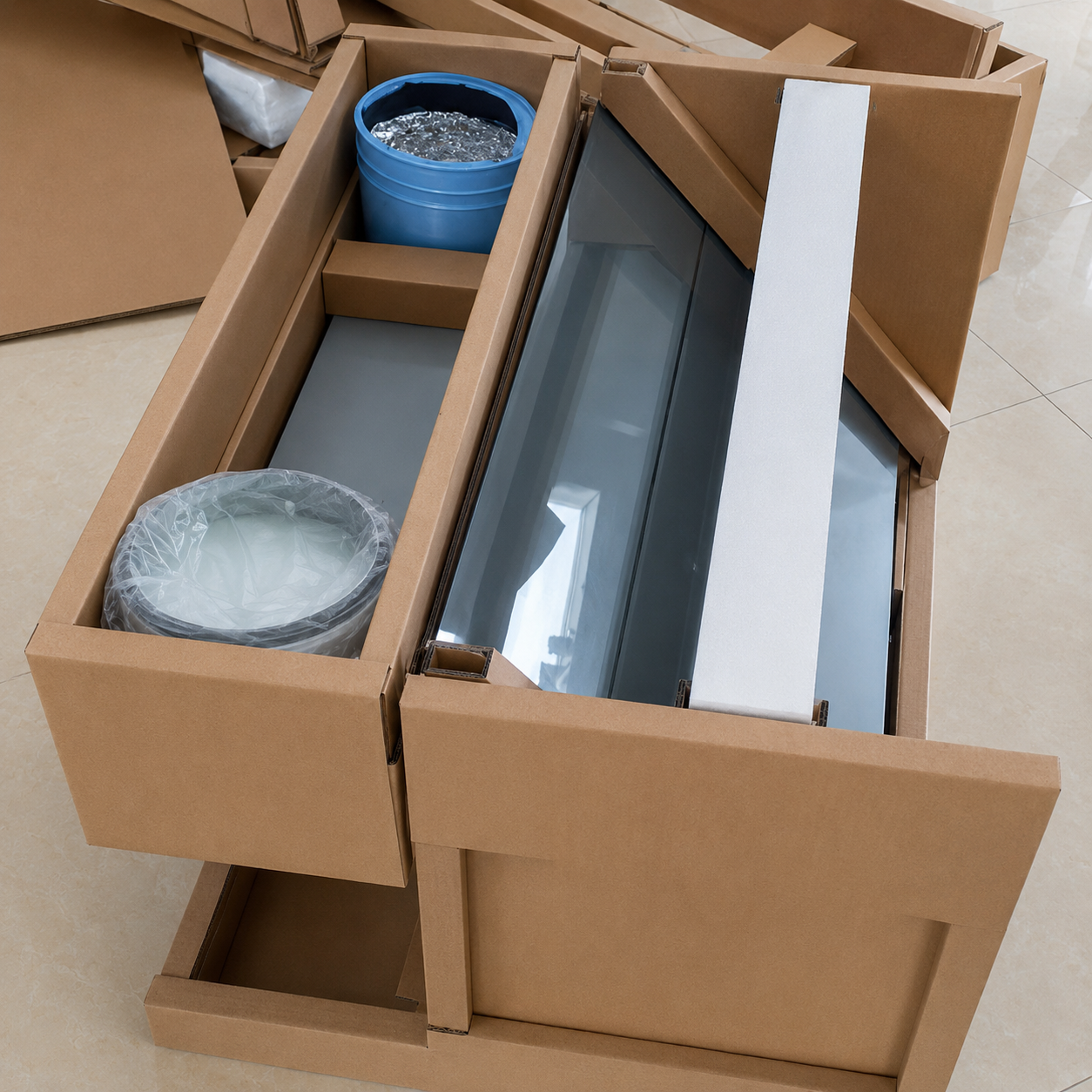
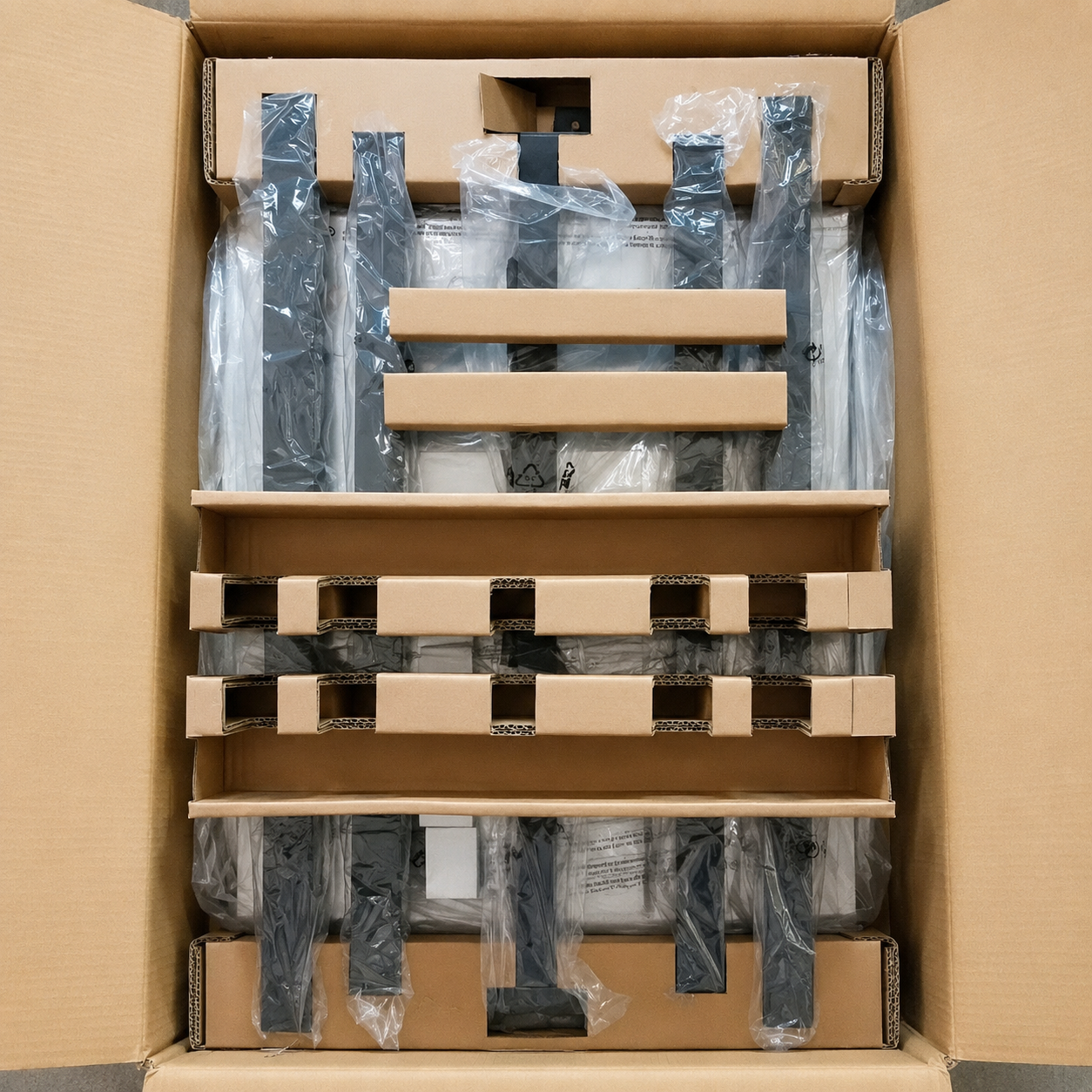
Start with the product dimensions, weight, safe contact areas, orientation, unit count, handling risks, retail or shipping role, packing labor, and destination. Photograph or mark fragile features and provide a physical sample when geometry is difficult to communicate.
Stage 2: Approve Structure Before Artwork
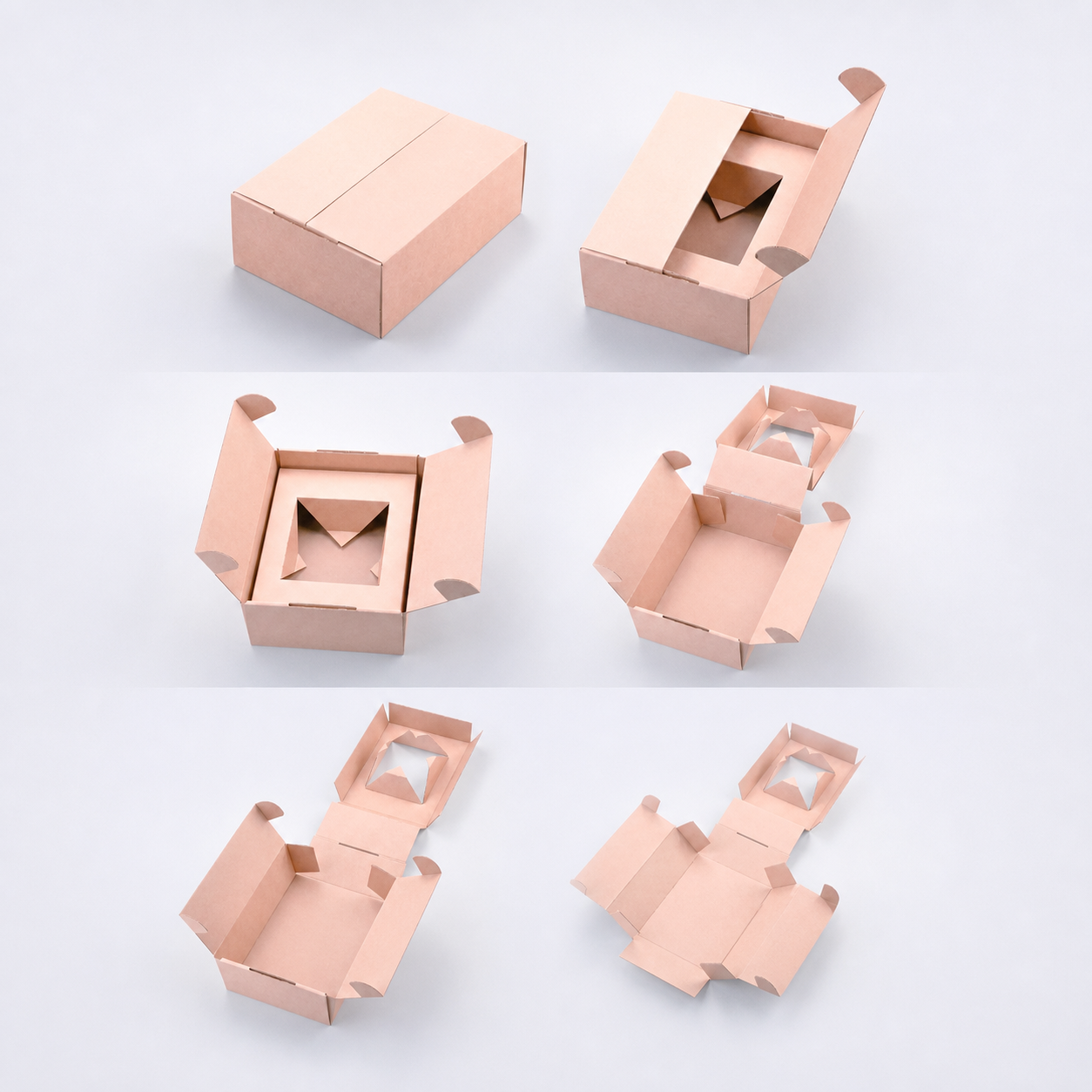
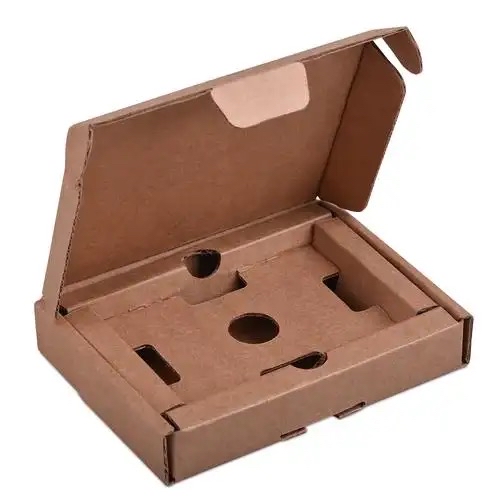
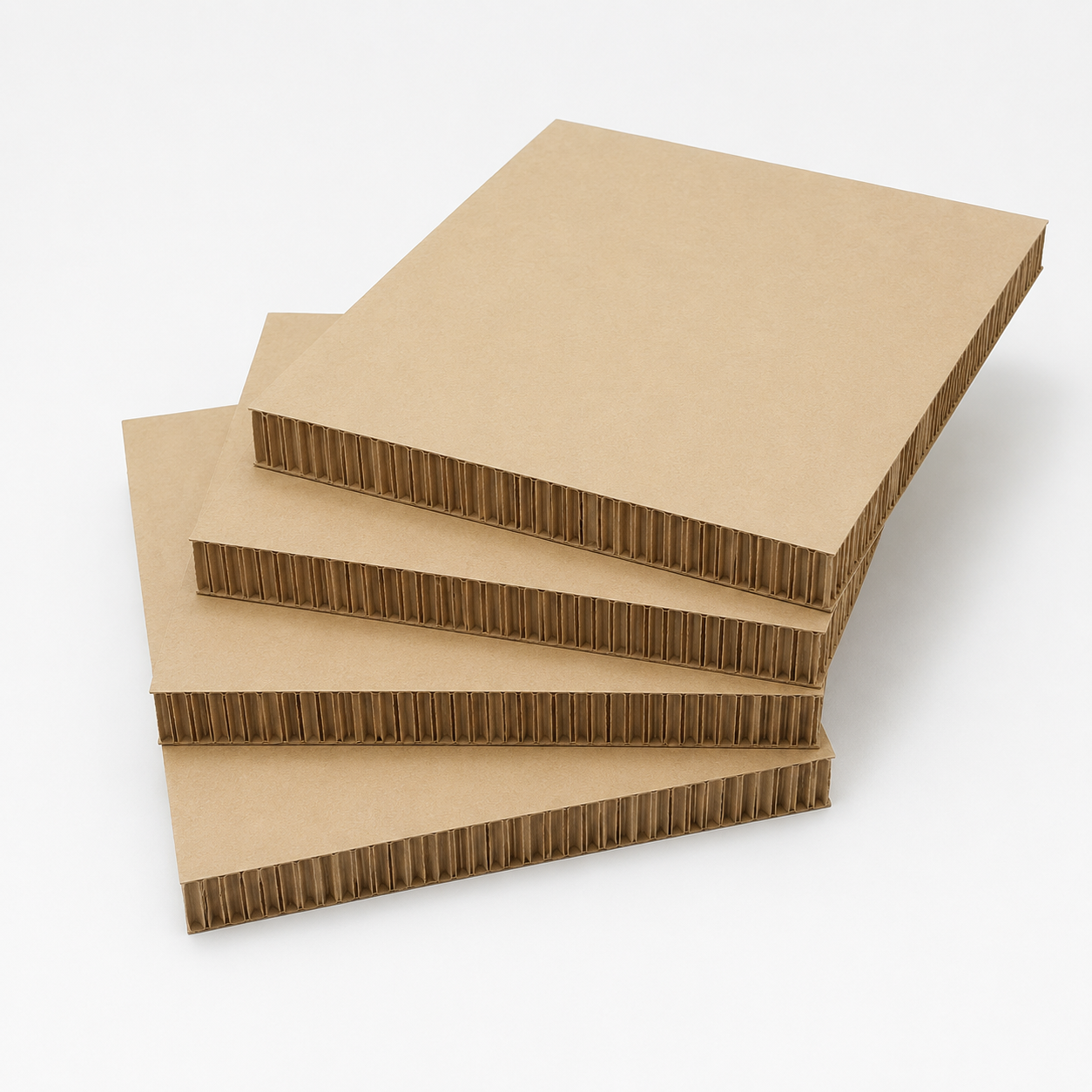
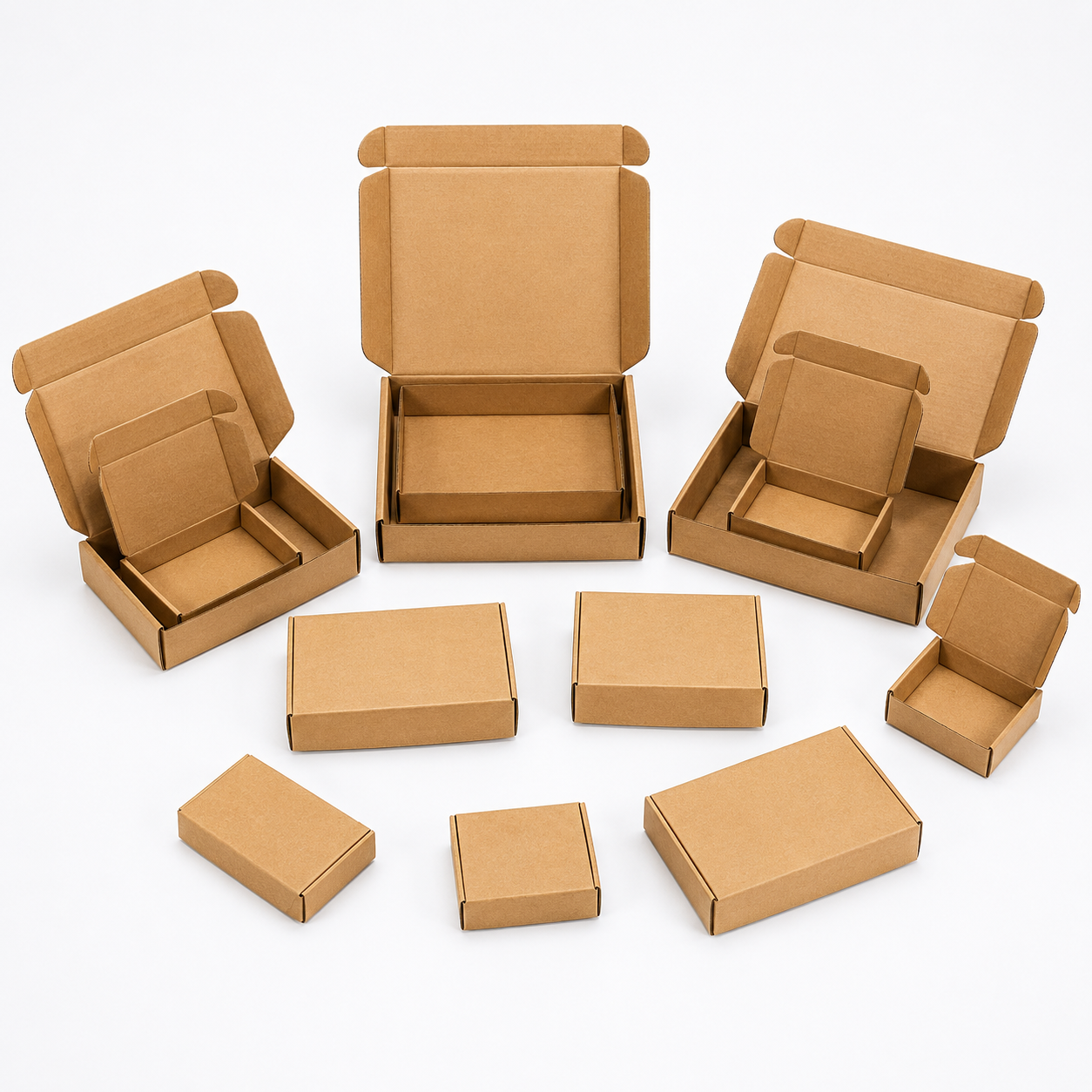
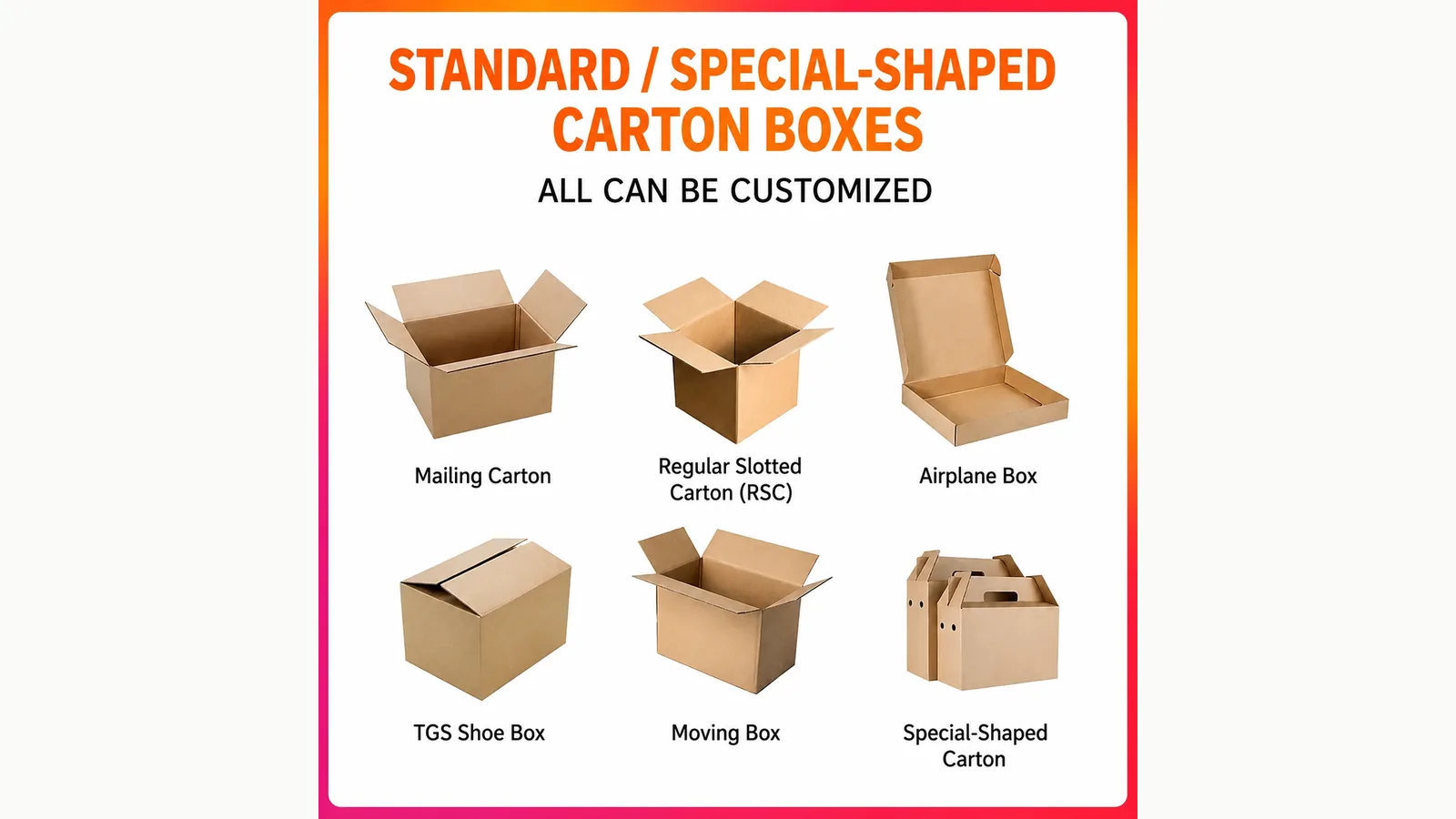
Review a dieline or engineering drawing with inside dimensions, material proposal, folds, joints, inserts, closure, and tolerances. Test a plain prototype for product fit and packing sequence before investing time in final graphics.
Stage 3: Add Graphics and Identification
Apply artwork to the approved structure, keeping codes and mandatory marks away from cuts, folds, seams, and hidden panels. Confirm colors using an agreed proofing method and verify barcode size, contrast, and placement in the intended workflow.
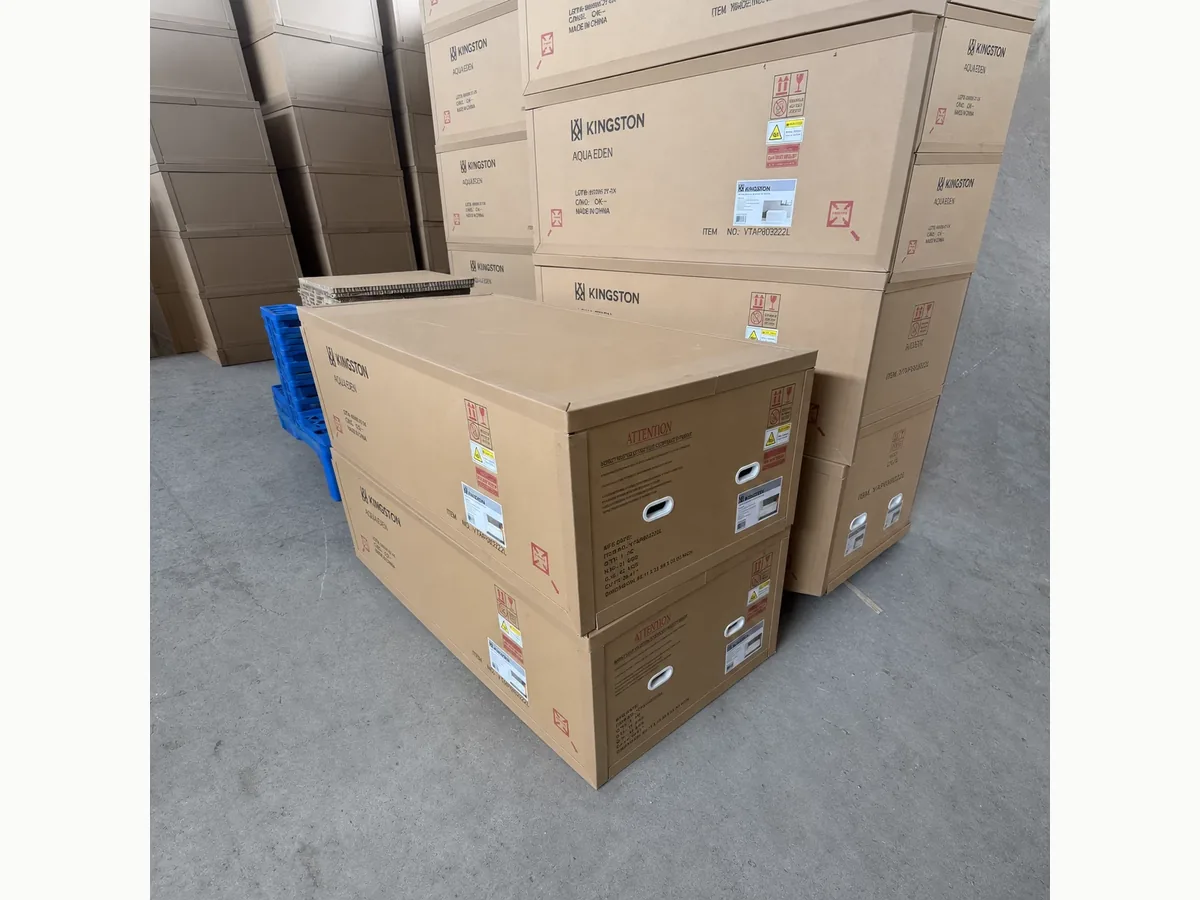
Stage 4: Validate the Complete System
- Build samples with representative materials and processes.
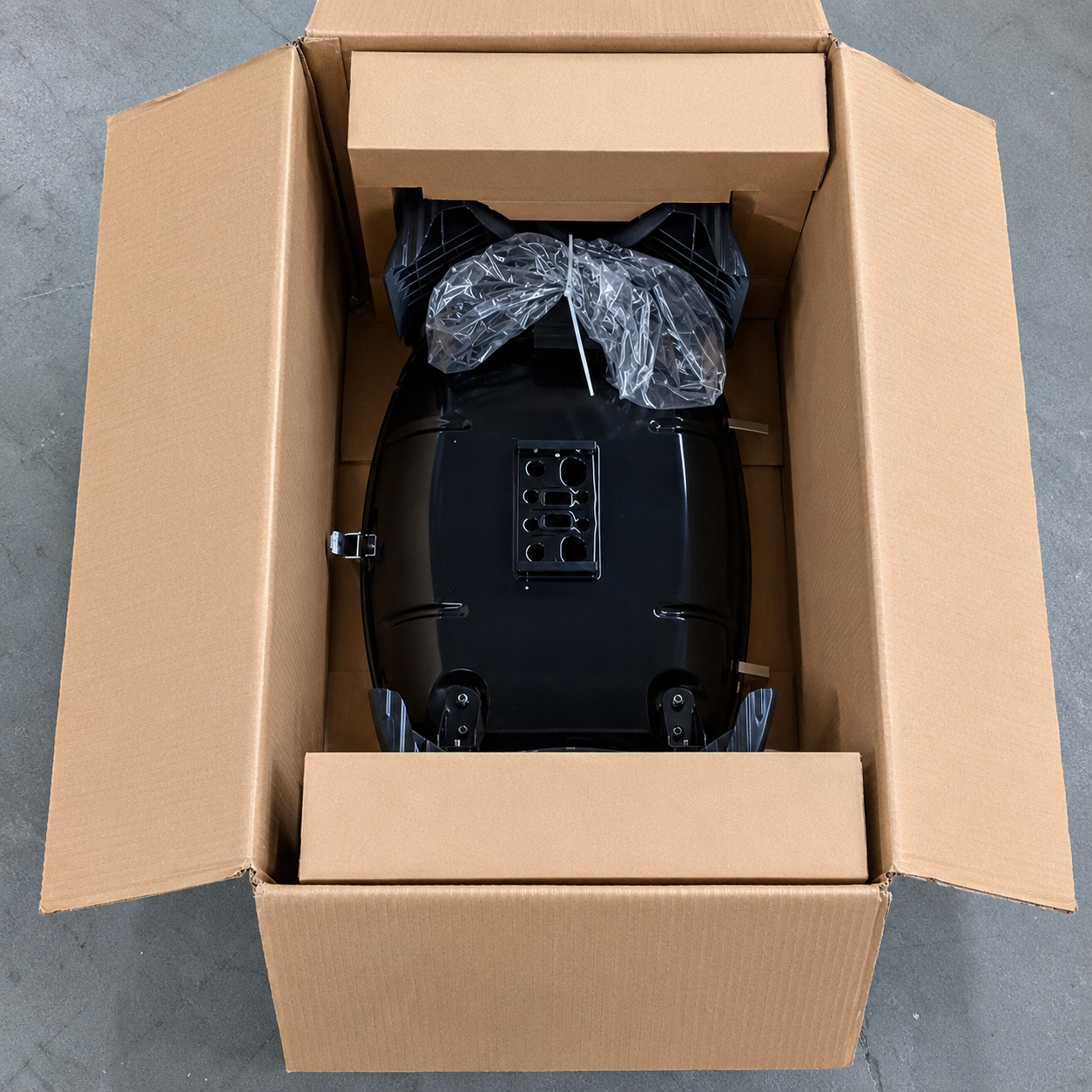
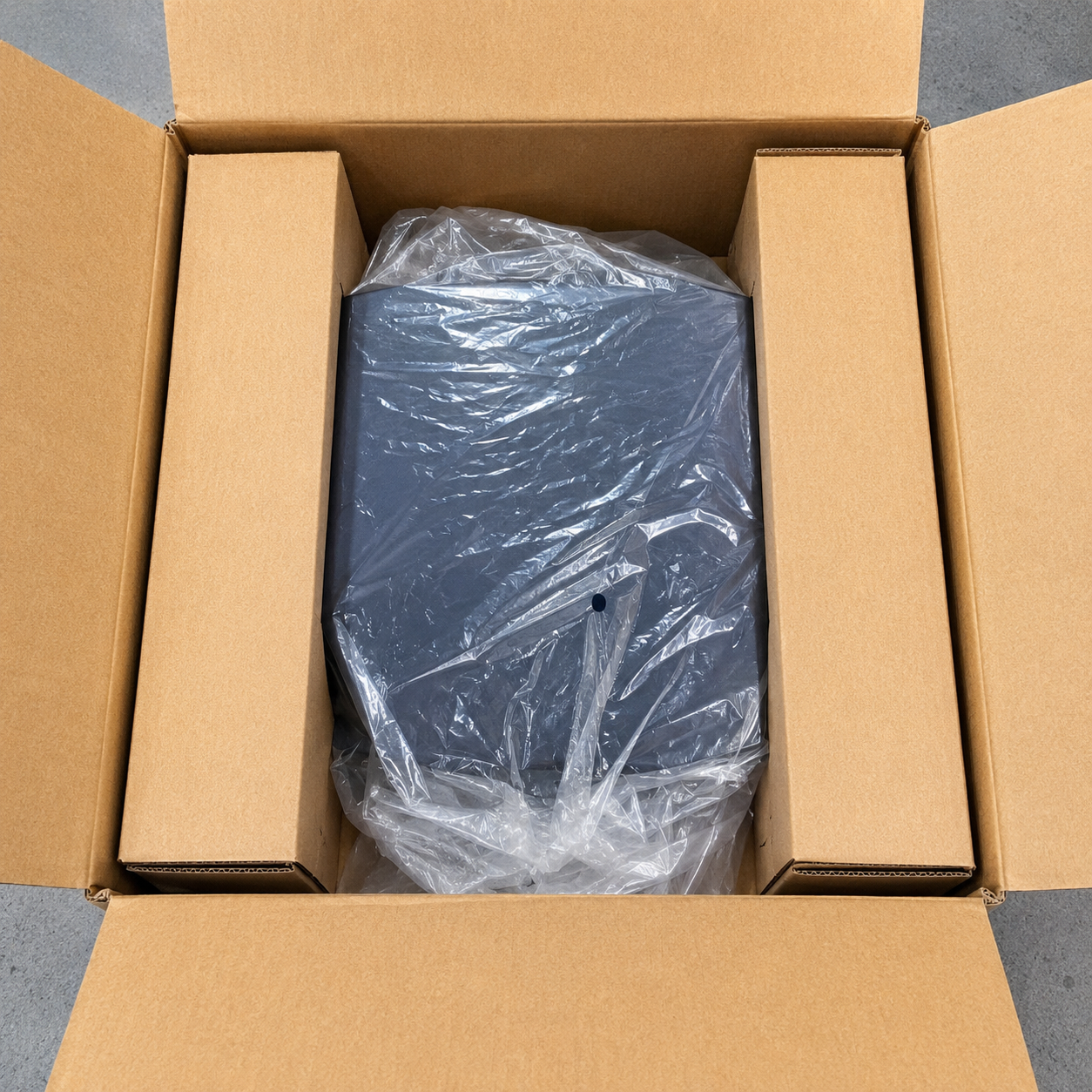
- Pack actual products using the written work instruction.
- Run agreed distribution or handling checks.
- Record failures and revise the structure rather than patching the sample informally.
- Approve a final revision and retain reference samples where practical.
Stage 5: Release and Control Changes
| Release item | Control |
|---|---|
| Drawing | Revision, dimensions, tolerances, material, and construction |
| Artwork | Revision, colors, fonts, codes, and approval record |
| Sample | Approval status and relationship to production process |
| Inspection plan | Measurable checks and acceptance method |
| Packing method | Unit count, bundle, pallet, labels, and loading instructions |
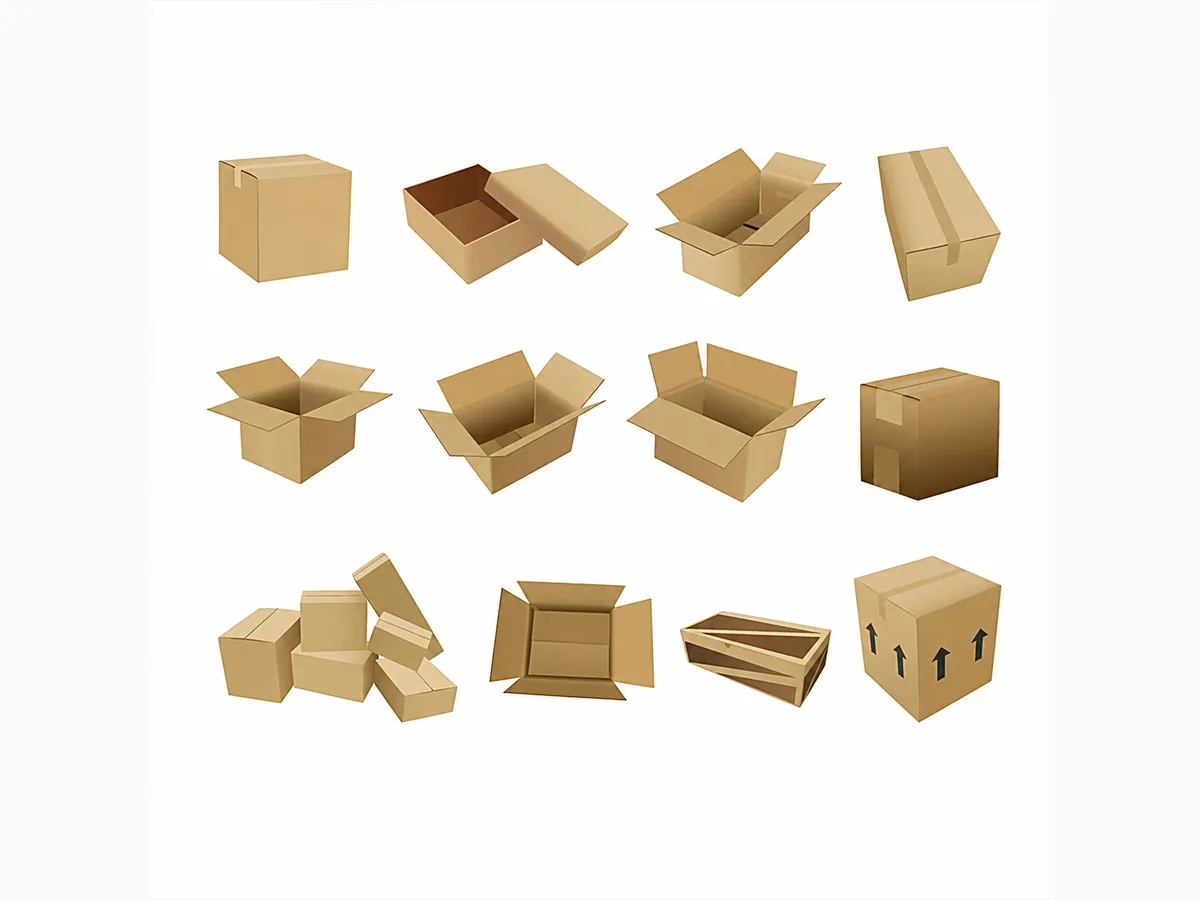
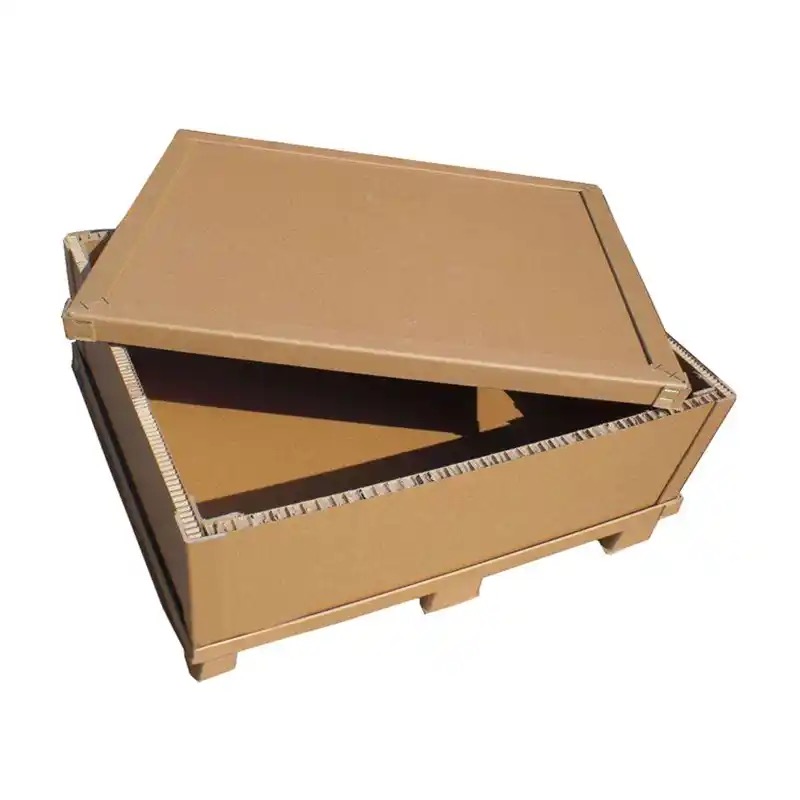
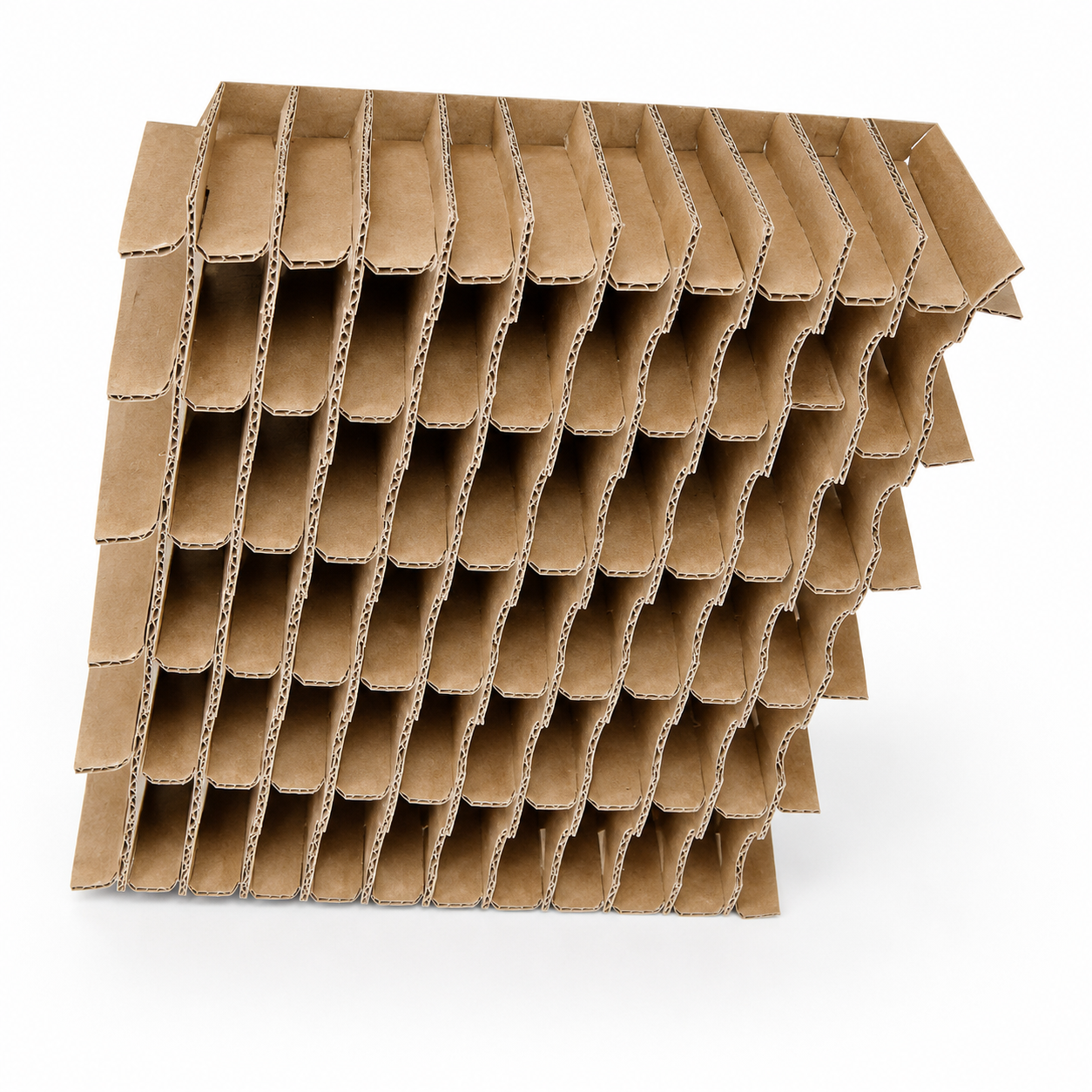
Review our manufactured packaging products, honeycomb equipment, and printing equipment before preparing your inquiry.
Buyer FAQ
What is the difference between OEM and ODM packaging work?
OEM usually follows buyer-defined specifications, while ODM includes more supplier-led design input. The actual responsibilities should be stated in the project brief.
Should artwork start before the structural sample?
Usually the structure should be stable first, because dimension changes can invalidate artwork.
What makes a sample production-representative?
Materials, tooling, printing, finishing, joints, and assembly should be close enough to production for the intended approval decision.
How are sample changes controlled?
Issue a new drawing or artwork revision, document the reason, and retire superseded files from production use.
Who owns the tooling and design files?
Ownership, storage, maintenance, access, and end-of-project handling should be stated commercially rather than assumed.
When is retesting needed?
Consider retesting when material, structure, packed product, supplier process, route, or handling conditions change.
Prepare a Useful RFQ
Send the product type, material preference, finished dimensions, packed-product weight, application environment, customization requirements, estimated quantity, packing method, destination country, and target delivery window. Final specifications, commercial terms, and timing should be confirmed against the approved drawing or sample.